How Much Peanut Butter Should You Eat Per Day?
Peanut butter is one of the most popular nut spreads worldwide. Known for its rich flavor and creamy texture, it is widely used in breakfasts, snacks, and smoothies. Made from roasted peanuts, it provides a convenient combination of plant-based nutrients that support energy, muscle recovery, and overall wellness.
Many people enjoy it because it is simple to add to daily meals and offers a satisfying balance of protein, healthy fats, and essential minerals. However, since it is calorie-dense, understanding the right portion is important. Eating the correct amount helps you gain nutritional value while maintaining balanced calorie intake.
This guide explains peanut butter nutrition, recommended serving sizes, calories, and health benefits so you can include it wisely in your diet.
Peanut Butter Nutrition Facts and Nutritional Value
When discussing peanut butter nutrition, it is often considered a nutrient-dense food. Even small portions provide several macronutrients and micronutrients that support different body functions.
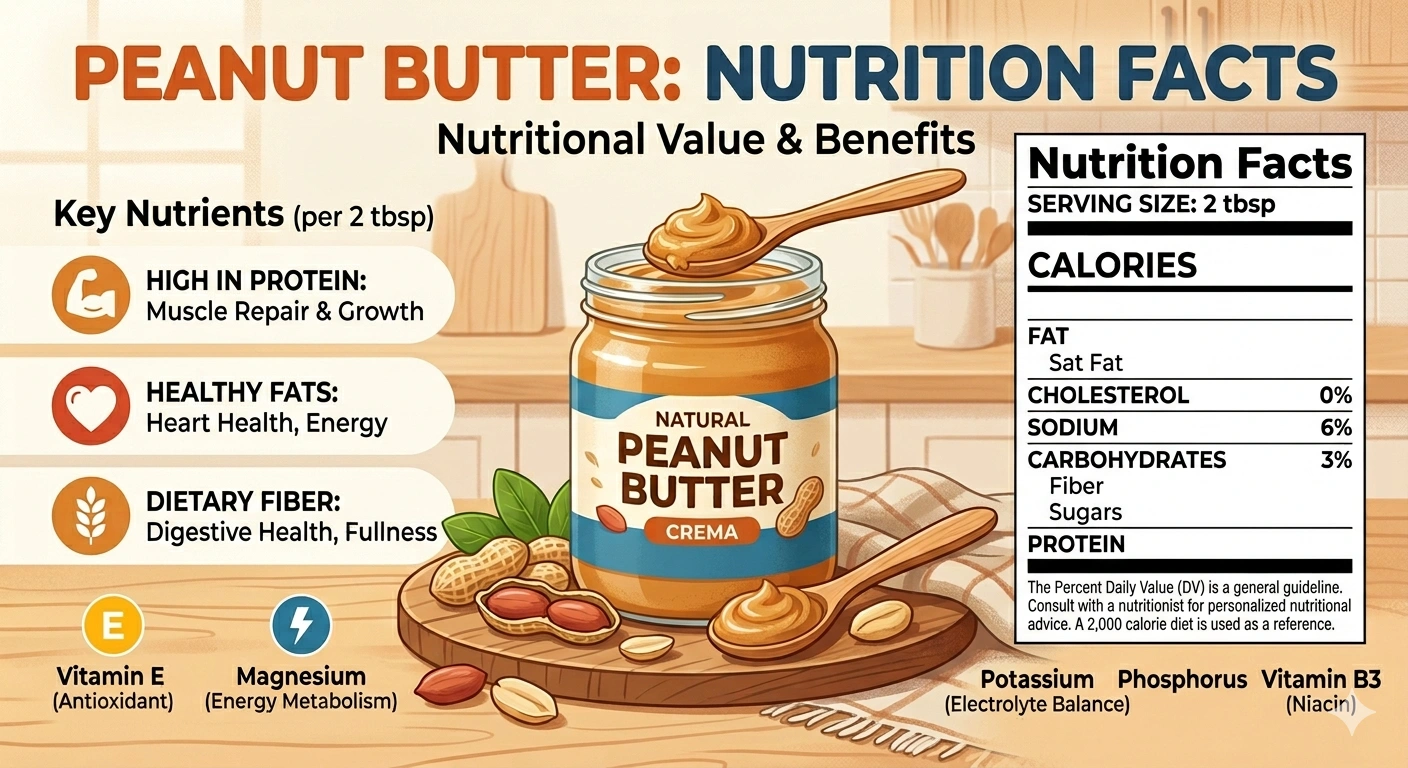
Key Nutrients Found in peanut-based spread
A typical serving contains a variety of nutrients that contribute to overall health.
-
Peanut butter protein helps with muscle repair and maintenance.
-
Healthy fats support heart health and provide long-lasting energy.
-
Dietary fiber contributes to digestive health and helps maintain fullness.
-
Vitamin E plays a role in immune support and skin health.
-
Magnesium supports muscle and nerve function.
-
Potassium assists with heart health and fluid balance.
Because of this nutrient combination, many individuals rely on it as a convenient source of sustained energy during busy days.
Peanut Butter Calories and Macronutrients
Understanding peanut butter calories is important when planning daily meals. Most of the calories come from healthy fats, which provide long-lasting energy.
| Nutrient | Amount |
| Calories | 180–200 kcal |
| Protein | 7–8 g |
| Fat | 16 g |
| Carbohydrates | 6 g |
| Fiber | 2 g |
| Vitamin E | ~10% DV |
| Magnesium | ~12% DV |
These protein-rich spread nutrition facts show that moderate portions provide energy, protein, and essential minerals that support daily activities.
Peanut Butter Should You Eat Per Day
Recommended Peanut butter Serving Size
The most commonly suggested peanut-based spread serving size for adults is two tablespoons per day. This portion offers nutrients while keeping calorie intake controlled.
A typical serving provides:
-
Around 190 calories
-
Approximately 7–8 grams of protein
-
Healthy fats that support steady energy levels
This amount can easily fit into balanced meals or snacks throughout the day.
Peanut-based spread for Weight Loss
People who are trying to manage body weight can still include peanut-based spread for weight loss when eaten in moderation. The combination of protein, fiber, and fats helps create a feeling of fullness that may reduce frequent snacking.
Helpful tips include:
-
Limit intake to about 1–2 tablespoons daily
-
Pair it with fruits such as apples or bananas
-
Combine with fiber-rich foods like oats or whole grains
-
Choose natural options with minimal added sugar
Using controlled portions allows it to support appetite control while maintaining balanced calorie intake.
Peanut-based spread for Muscle Gain
For individuals focused on building strength, peanut butter for muscle gain can be a useful addition to meals. The plant-based protein and energy content make it suitable for athletes and active individuals.
Suggested ways to include it:
-
Add 2–3 tablespoons daily depending on calorie needs
-
Blend it into smoothies after workouts
-
Mix it into oatmeal or protein shakes
-
Spread it on whole-grain toast for a balanced snack
The protein and healthy fats contribute to muscle recovery and sustained energy levels.
Peanut Butter Health Benefits
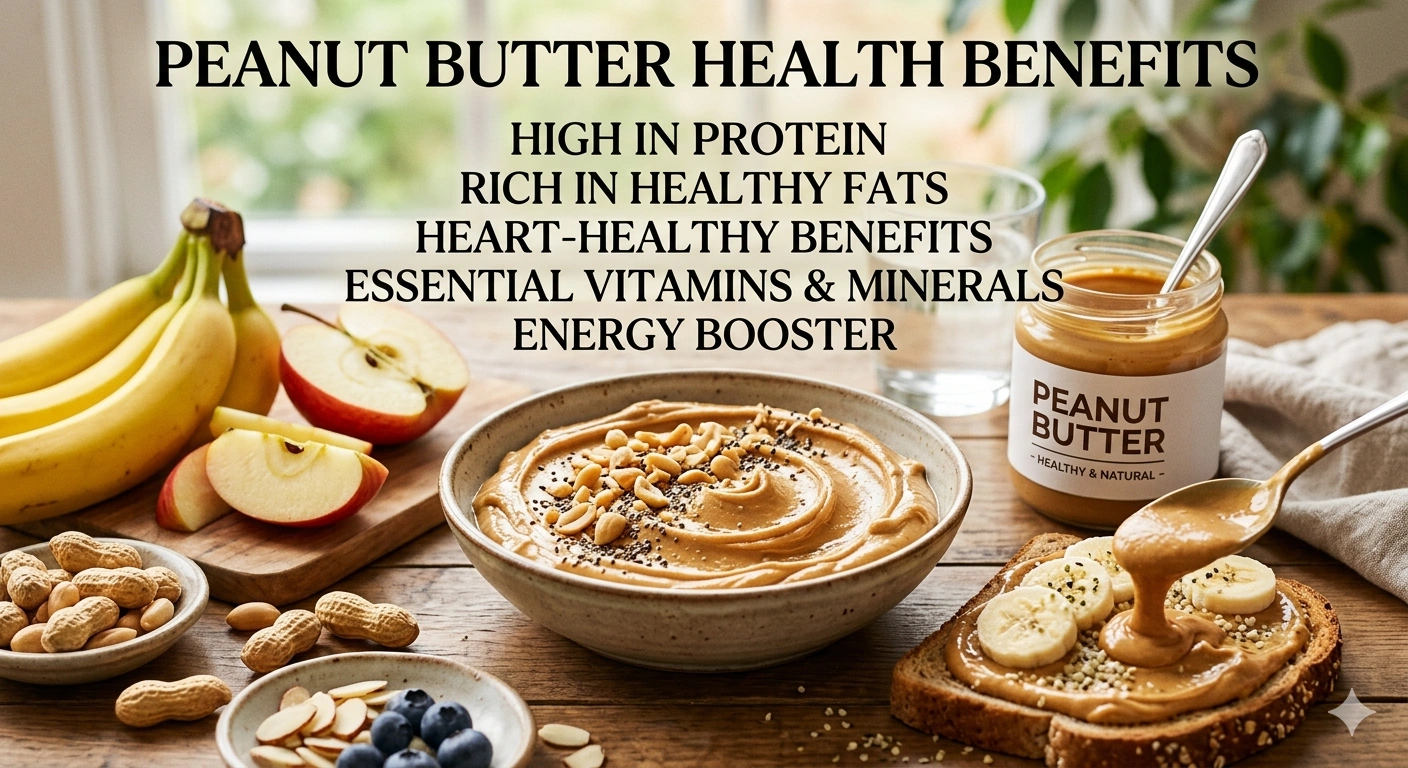
Including moderate portions in your diet may offer several peanut products health benefits.
Supports Heart Health
Peanuts contain unsaturated fats that may help maintain healthy cholesterol levels when consumed as part of a balanced diet.
Provides Plant-Based Protein
The protein-rich spread content makes it a convenient plant-based protein source for vegetarians and individuals seeking alternative protein options.
Helps Maintain Energy Levels
The combination of fats, carbohydrates, and protein provides slow-releasing energy that supports daily activities.
Supports Weight Management
Protein and fiber contribute to satiety, which may help reduce excessive snacking throughout the day.
These advantages contribute to the growing interest in peanut spread benefits within balanced nutrition plans.
Is Peanut Product Healthy?
In general, it can be a nutritious food when consumed in appropriate portions and when choosing high-quality products.
Advantages:
-
Provides plant-based protein
-
Contains heart-friendly fats
-
Offers essential vitamins and minerals
-
Works well in both sweet and savory meals
Possible Downsides:
-
High calorie density if eaten in large amounts
-
Some commercial products contain added sugar or oils
-
Excess intake may increase fat consumption
Selecting quality products and maintaining portion control helps maximize the benefits.
Choosing the Best peanut product
When selecting the best peanut product, it is helpful to review the ingredient list and nutritional quality.
Natural vs Processed Options
Many consumers prefer natural peanut butter because of their simpler ingredient profiles.
Natural peanut butter benefits may include:
-
Fewer additives
-
No hydrogenated oils
-
More authentic peanut flavor
Processed versions may include stabilizers, added sugar, or artificial ingredients.
Ingredients to Look For
Healthier products usually contain:
-
Peanuts as the primary ingredient
-
Minimal additional ingredients
-
Natural peanut oils
Ingredients to Limit
Try to avoid products containing:
-
Hydrogenated oils
-
Excess added sugar
-
Artificial preservatives
Choosing quality products ensures better nutritional value and taste.
Popular Variations
Different varieties are available depending on personal preference.
Common options include:
-
Chocolate peanut butter – a sweeter version often used in desserts
-
Crunchy peanut butter – contains small peanut pieces for texture
-
Natural peanut butter – minimally processed
-
Organic peanut butter – made from organically grown peanuts
Each type offers slightly different flavors while maintaining a similar nutrient profile.
Easy Ways to Add Peanut Butter to Your Diet
This versatile ingredient can be added to many meals throughout the day.
Some simple ideas include:
-
Spread on whole-grain toast for breakfast
-
Blend into smoothies for extra protein
-
Pair with apple slices or bananas
-
Mix into oatmeal for a creamy texture
-
Use in homemade energy bites
These options make it easy to enjoy the flavor and nutritional value of peanut-based foods.
Nutrionex Foods – Peanut Butter for Everyday Nutrition
Quality matters when selecting peanut products for daily use. Nutrionex Foods focuses on producing peanut making to support balanced nutrition and convenient meal preparation.
By sourcing quality peanuts and maintaining consistent production standards, the brand provides products that can be easily incorporated into everyday diets.
Conclusion
This peanut-based spread remains a nutrient-dense food that fits well into balanced eating habits. A portion of about two tablespoons per day typically provides plant-based protein, healthy fats, and essential nutrients that support energy and overall wellness.
While the food offers several nutritional advantages, moderation is important due to its calorie density. Choosing natural options with minimal additives can further improve its nutritional quality.
When enjoyed responsibly, it can be a satisfying and practical addition to daily meals.
FAQ
1. How much peanut butter should you eat per day?
Most adults can safely consume about two tablespoons daily as part of a balanced diet.
2. Is peanut butter healthy for everyday consumption?
Yes, moderate intake combined with high-quality varieties can support overall nutrition.
3. Can peanut butter help with weight loss?
Controlled portions of peanut butter for weight loss may help reduce hunger and support balanced eating habits.
4. How much protein is in one serving?
Two tablespoons typically provide 7–8 grams of peanut product protein.
5. What is the healthiest option to buy?
Natural varieties made primarily from peanuts with minimal additives are often considered the healthiest choice.