Is Peanut Butter Gluten-Free? A Complete Guide
Living a gluten-free life can feel confusing at first especially when you’re trying to figure out which everyday foods are truly safe. Peanut butter is one of those pantry staples that many people love, but the question remains: Is peanut butter gluten-free?
This complete guide breaks everything down in simple terms what gluten is, how it could enter peanut butter, how to choose the safest option, and how to enjoy peanut butter in your gluten free diet without worry.
What Does “Gluten-Free” Really Mean?
Gluten is a type of protein found mainly in wheat, barley, and rye. It gives bread its soft chewiness and helps baked goods hold their shape.
For many people, gluten causes no issues at all. But for others, it can lead to serious digestive and immune problems especially those with celiac disease or gluten sensitivity.
A gluten free diet means completely avoiding foods that contain gluten or are contaminated with it. This includes obvious foods like bread, pasta, and baked goods, but also hidden sources like sauces, seasoning blends, and even some spreads.
That’s why choosing safe gluten free foods is not just about taste it’s about health and long-term well-being.
Is Peanut Butter Naturally Gluten-Free?
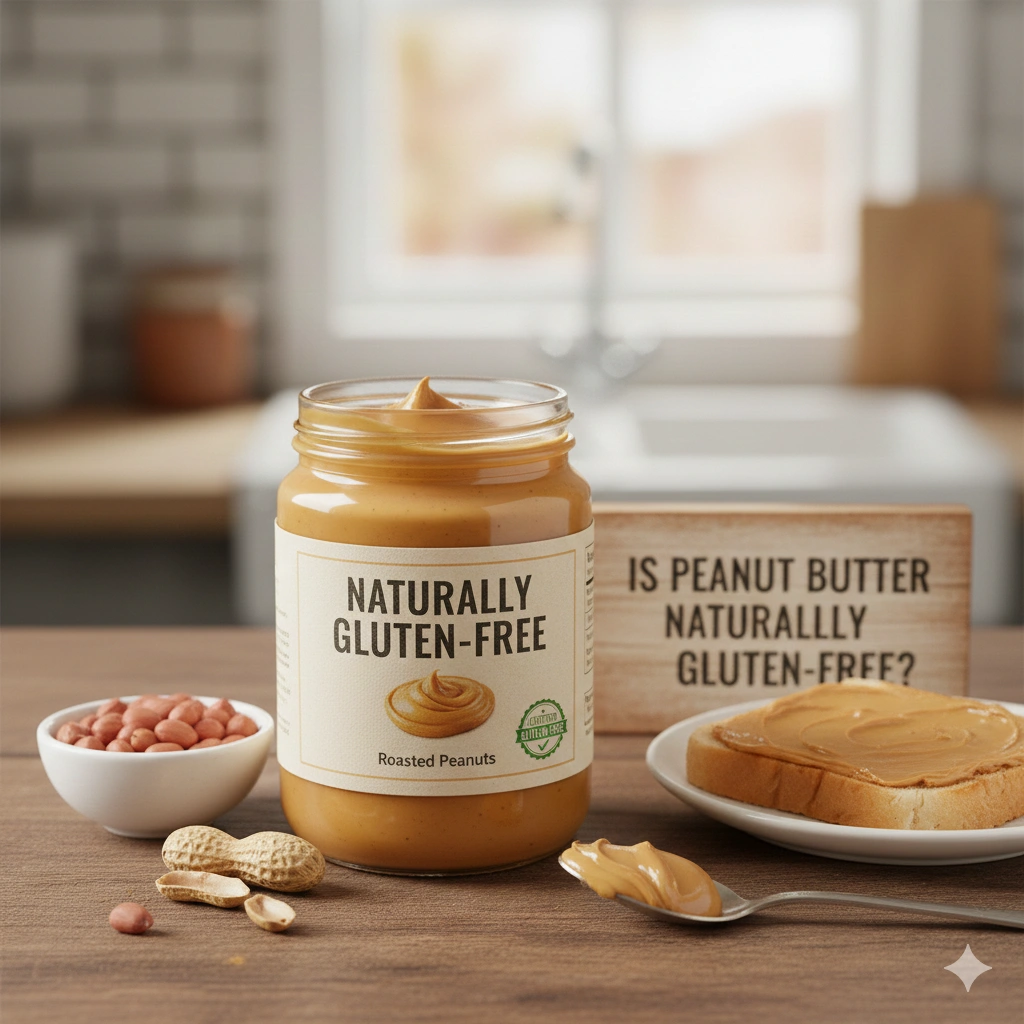
Peanut butter, at its core, is made from peanuts which are naturally gluten free. So in theory, natural peanut butter, containing just peanuts (and sometimes salt), is safe for gluten free diets.
However, many commercial peanut butters include extra ingredients or undergo processing steps that introduce risks:
-
Added Ingredients: Some brands mix in flavorings, sweeteners, or malt extract a barley derivative that contains gluten.
-
Cross-Contamination: Peanut butter made in facilities that also handle wheat or gluten-containing products might carry trace gluten.
-
Flavored Varieties: Chocolate, cookie-inspired, or dessert peanut butters often include gluten-based additives.
Because of these factors, not all peanut butter brands are guaranteed gluten free.
How to Check If Your Peanut Butter Is Truly Gluten-Free
Choosing the right peanut butter requires more than just looking at the front label. Here’s how to make sure you’re picking a truly gluten-free option:
1. Read the Ingredient List Carefully
Avoid any product that contains:
-
Malt extract
-
Wheat flour
-
Barley
-
Rye
The fewer the ingredients, the better. The safest choice is natural peanut butter made only from peanuts and salt.
2. Look for Certified Gluten-Free Labels
Certification means the product meets strict safety standards and contains less than 20 parts per million (ppm) of gluten the accepted safe limit.
3. Check Manufacturing Information
Some brands clearly state whether their products are made in dedicated gluten-free facilities. This reduces the risk of cross-contamination.
A little extra label reading goes a long way in protecting your health.
Best Peanut Butter Options for a Gluten-Free Diet
The top peanut butter options combine safety, quality, and nutrition. Look for:
-
Simple, clean ingredients without artificial additives
-
No added gluten or malt products
-
Transparent labeling with gluten-free certification
-
Nut butters made from peanuts, almonds, or cashews are excellent gluten-free choices when certified
Natural peanut butter remains a popular, reliable, and cost-effective choice for everyday gluten free meals and snacks.
Is Peanut Butter Safe for People With Celiac Disease?
For people with celiac disease, even tiny traces of gluten can trigger severe symptoms. That’s why peanut butter safety becomes even more critical.
The good news is that certified gluten-free peanut butter is generally considered safe for celiac patients. The key precautions include:
-
Avoiding any product with cross-contamination warnings
-
Choosing brands with gluten-free certification
-
Avoiding flavored varieties unless clearly labeled gluten-free
When these precautions are followed, peanut butter can be a nutritious and enjoyable part of a strict gluten-free lifestyle.
Health Benefits of Peanut Butter in a Gluten-Free Diet
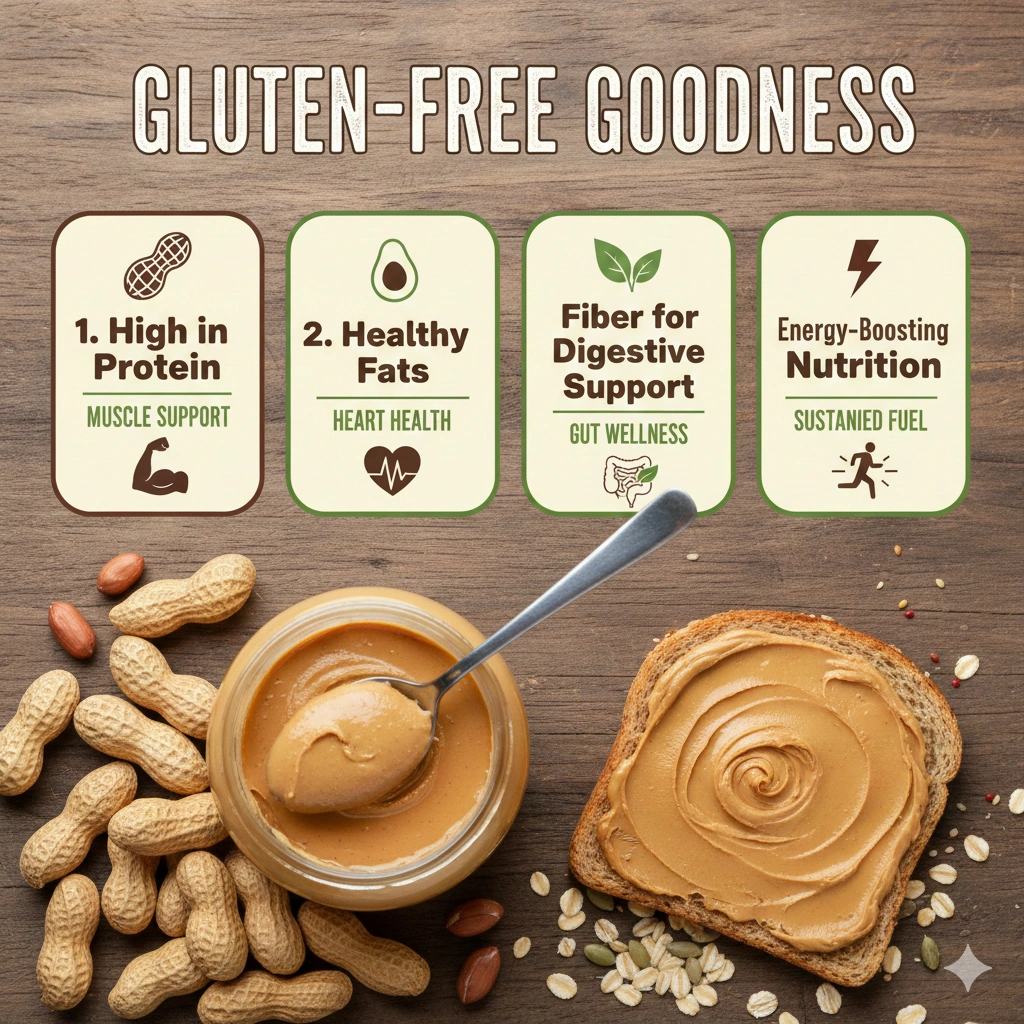
Peanut butter isn’t just tasty it’s also packed with nutritional benefits that support a balanced gluten free diet.
1. High in Protein
Peanut butter contains plant-based protein that helps with muscle repair, energy, and satiety.
2. Healthy Fats
It’s rich in monounsaturated fats, which support heart health and help regulate cholesterol.
3. Fiber for Digestive Support
Fiber supports digestion and keeps you feeling full longer.
4. Energy-Boosting Nutrition
Peanut butter is an excellent pre-workout or mid-day energy booster for both kids and adults.
When enjoyed in moderation, it fits beautifully into both weight-management plans and active lifestyles.
Peanut Butter vs Other Nut Butter on Gluten-Free Diets
Peanut butter is just one type of nut butter. Let’s see how it compares with other popular options:
Peanut Butter vs Almond Butter
-
Peanut butter is higher in protein
-
Almond butter is higher in vitamin E
-
Both are naturally gluten-free
Peanut Butter vs Cashew Butter
-
Cashew butter is creamier and slightly sweeter
-
Peanut butter offers more protein at a lower cost
All nut butters are safe for gluten-free diets when properly labeled. The best choice depends on taste, budget, and nutritional goals.
Gluten-Free Meals You Can Make With Peanut Butter
Peanut butter isn’t just for breakfast it works beautifully across many gluten free meals:
Breakfast Ideas
-
Peanut butter with gluten free oats
-
Smoothies blended with banana and peanut butter
-
Rice cakes with peanut butter and honey
Lunch & Dinner Uses
-
Peanut sauces for stir-fried vegetables
-
Peanut dressings for gluten-free salads
-
Cold peanut noodle bowls using gluten free noodles
These meals are filling, nutritious, and quick to prepare.
Gluten-Free Snacks & Desserts With Peanut Butter
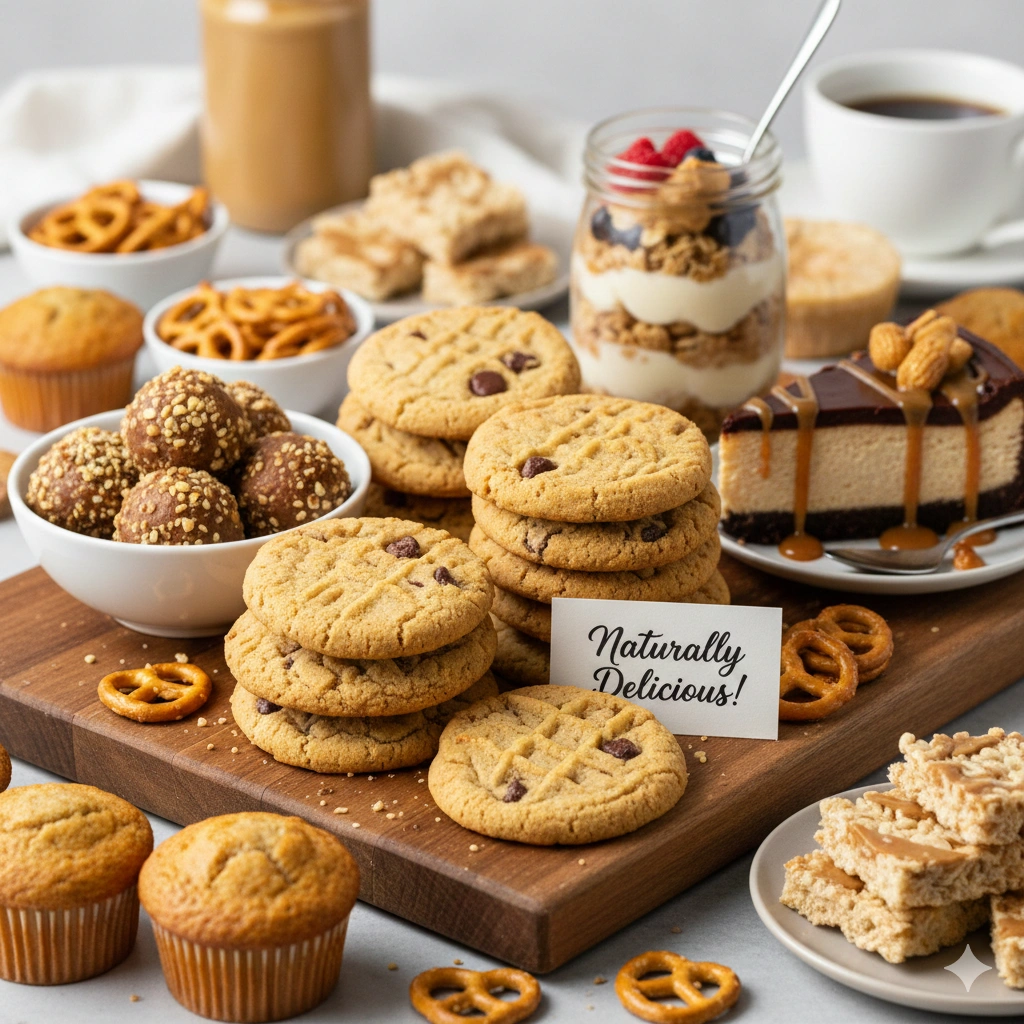
Peanut butter is incredibly versatile for sweet treats and quick bites. It pairs perfectly with many gluten free snacks and desserts:
-
Gluten free cookies with peanut butter filling
-
Gluten free cake layered with peanut butter frosting
-
Gluten free cupcakes with peanut butter swirl
-
Peanut butter combined with gluten free chocolate for no-bake treats
-
Energy balls made using gluten free desserts ingredients
These treats allow gluten-free eaters to enjoy indulgence without compromise.
Peanut Butter in a Complete Gluten-Free Lifestyle
Living gluten-free isn’t just about avoiding certain foods it’s about creating balance and sustainability.
Peanut butter supports this lifestyle in multiple ways:
-
Works well with gluten free products like breads and snacks
-
Adds protein to otherwise carb-heavy gluten-free foods
-
Blends easily into both savory and sweet dishes
-
Stores well for daily use
When paired with whole grains, fruits, and vegetables, it becomes a reliable nutrition partner in your gluten-free routine.
Why Choose Nutrionex Foods for Gluten-Free Peanut Butter
When selecting peanut butter for a gluten-free lifestyle, brand trust matters. Nutrionex Foods focuses on clean ingredients, strict quality control, and food safety standards that align perfectly with modern health needs.
Their commitment to transparency makes them a reliable choice for people seeking safe gluten free foods without compromising taste or nutrition. With carefully selected raw materials and controlled manufacturing practices, Nutrionex Foods supports a healthier way of living for gluten-free consumers.
Gluten-Free Peanut Butter Guide
Conclusion: Is Peanut Butter the Right Choice for a Gluten-Free Diet?
So, is peanut butter gluten-free?
Yes pure peanut butter is naturally gluten-free, but only when it’s free from contamination and hidden additives.
By choosing certified gluten-free products, reading labels carefully, and avoiding risky ingredients, you can safely enjoy peanut butter as part of your daily gluten free diet. From meals and snacks to desserts and sauces, peanut butter adds nutrition, energy, and satisfaction to gluten-free living.
With trusted brands like Nutrionex Foods, maintaining gluten-free safety becomes simpler, tastier, and more reliable.
FAQs – (People Also Ask)
Is all peanut butter gluten-free?
No. While peanuts are naturally gluten-free, some peanut butter brands add gluten-containing ingredients or risk cross-contamination.
Can celiac patients eat peanut butter every day?
Yes, as long as the peanut butter is certified gluten-free and produced in safe facilities.
Is crunchy peanut butter gluten-free?
Not always. Some crunchy varieties include additives that may contain gluten. Always check the label.
Is peanut butter safe with gluten-free bread?
Yes. Peanut butter pairs perfectly with gluten-free bread for a safe and nutritious snack.
Does peanut butter contain hidden wheat?
Some flavored peanut butters may include wheat-based additives, making label-reading essential.