Logistics & Shipping Tips For Exporting Peanut Butter Safely
Exporting food products requires careful planning, and this is especially true for peanut butter, which is sensitive to temperature, packaging, and handling. From preventing oil separation to meeting international food safety standards, exporters must focus on logistics that protect quality throughout transit. Whether you are entering new global markets or scaling operations, understanding the right shipping practices can reduce losses and improve customer trust. This guide explains practical logistics and shipping tips to ensure safe and compliant exports for global buyers.
Understanding the Challenges of Exporting Peanut Butter
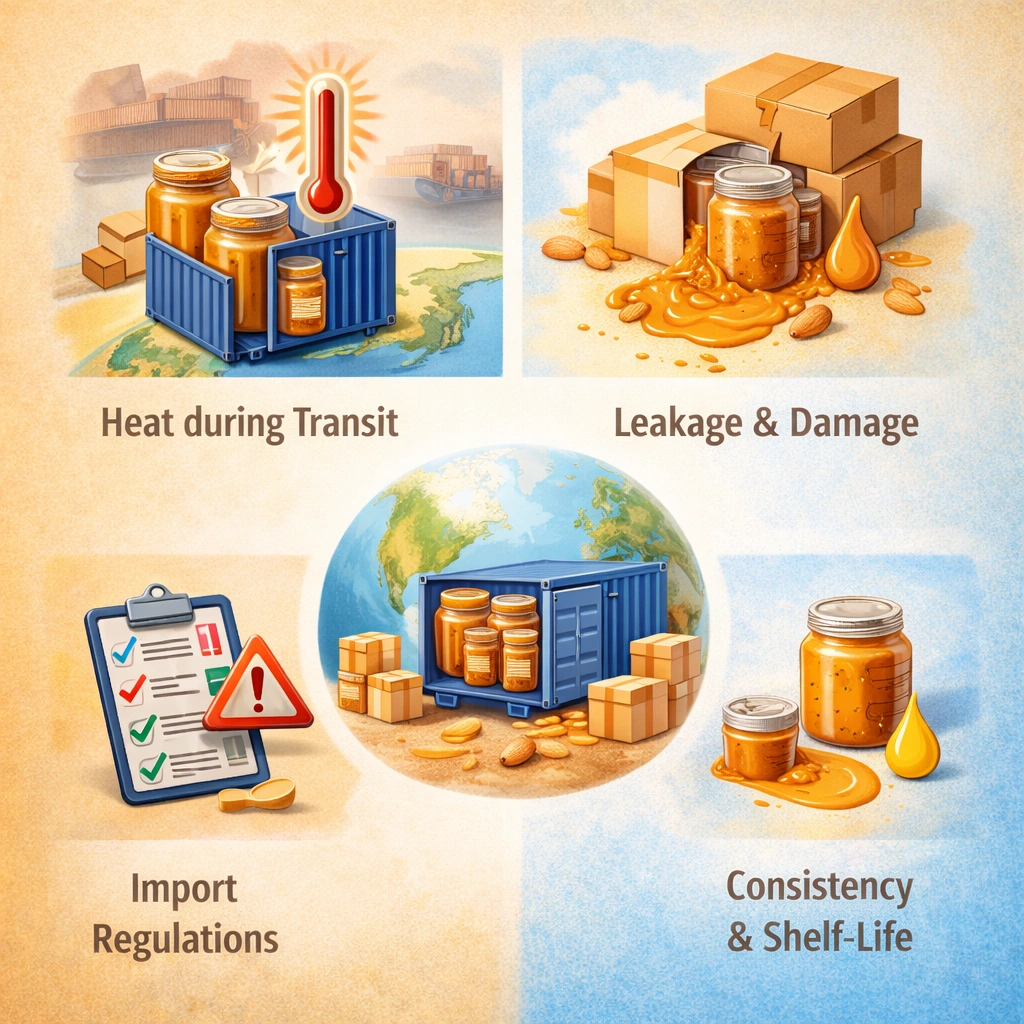
Shipping food products internationally comes with unique challenges, and peanut-based spreads require extra attention due to their composition and shelf-life characteristics.
Key challenges include:
-
Exposure to heat during transit
-
Risk of leakage or container damage
-
Compliance with import regulations
-
Maintaining product consistency over long distances
Why Peanut Butter Needs Special Handling in Logistics
The natural oil content makes this product sensitive to temperature changes. Excessive heat can cause oil separation, while poor sealing may lead to leakage or contamination. In addition, international markets demand strict allergen labeling and food safety compliance, making logistics planning a critical part of export success.
Choosing the Right Packaging for Safe Peanut Butter Export
Packaging is the first line of defense in protecting product quality during international shipping. The right materials not only prevent damage but also help extend shelf life.
Important packaging considerations:
-
Food-grade material selection
-
Airtight and leak-proof sealing
-
Resistance to temperature fluctuations
Best Packaging Materials for Shipping Peanut-Based Spreads
Common export packaging options include:
-
Glass jars: Suitable for premium markets but heavier
-
PET jars: Lightweight and cost-effective
-
HDPE containers: Durable for bulk and B2B shipments
Bulk packaging is often preferred by distributors and private-label buyers to reduce costs and simplify logistics.
Labeling & Sealing Standards for International Markets
Accurate labeling is mandatory for most importing countries. Export labels typically include:
-
Ingredient and nutritional information
-
Allergen warnings
-
Batch numbers and manufacturing dates
-
Country of origin
Tamper-evident seals help maintain trust and meet safety regulations.
Temperature Control & Storage During Shipping
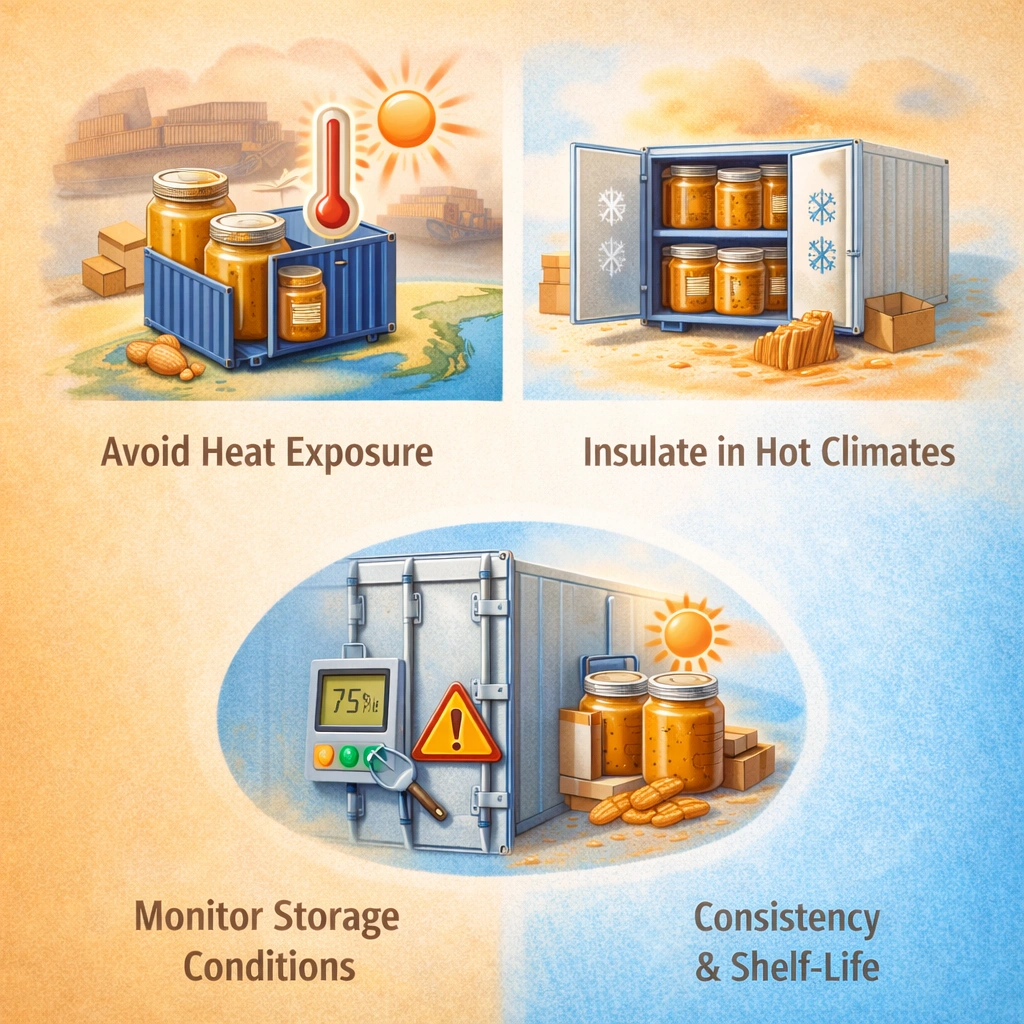
Although peanut spreads are shelf-stable, improper temperature exposure can affect texture, appearance, and taste.
Best practices include:
-
Avoiding prolonged heat exposure
-
Using insulated containers in hot climates
-
Monitoring storage conditions during transit
When to Use Refrigerated or Climate-Controlled Containers
Refrigerated shipping is generally not required, but climate-controlled containers are recommended when:
-
Shipping to regions with extreme temperatures
-
Transit times are long
-
Products are organic or preservative-free
Seasonal planning plays an important role in minimizing risk.
Export Documentation & Compliance for Peanut Butter
Documentation errors can delay shipments or result in rejection at ports. Exporters must ensure all paperwork is accurate and complete.
Common documents include:
-
Commercial invoice
-
Packing list
-
Certificate of origin
-
Bill of lading
Key Certifications Required for Peanut Butter Export
Depending on the destination, certifications may include:
-
Food safety certifications (FSSAI, HACCP, ISO)
-
Organic certification (if applicable)
-
Health or phytosanitary certificates
Country-Specific Import Regulations You Must Know
Different regions follow different standards:
-
USA & EU focus heavily on allergen labeling and food safety
-
Middle East requires specific shelf-life and halal compliance
-
Asia-Pacific markets emphasize import registration
Understanding these requirements reduces clearance delays.
Selecting the Right Logistics Partner for Peanut Butter Export

A reliable logistics partner can make or break an export operation. Experience in handling food products is essential.
What to Look for in an Export Logistics Company
Choose a partner that offers:
-
Experience with food-grade shipments
-
Proper handling and storage facilities
-
Shipment tracking and insurance coverage
-
Knowledge of customs clearance procedures
An experienced partner minimizes transit risks and ensures smoother delivery.
Shipping methods for exporting food spreads
The choice of shipping method impacts cost, transit time, and product safety.
Comparison of Shipping Modes for Peanut Butter Export
| Shipping Mode | Cost Level | Transit Time | Risk Factor | Best Use Case |
|---|---|---|---|---|
| Sea Freight | Low | Long | Moderate | Bulk & large-volume exports |
| Air Freight | High | Short | Low | Urgent or small shipments |
| Road Transport | Medium | Short–Medium | Low | Regional or cross-border trade |
Selecting the right method depends on order size, destination, and budget.
How to Prevent Damage, Leakage & Spoilage During Transit
Preventive measures can significantly reduce export losses.
Best Practices for Secure nut-based spread Export Shipping
-
Use strong secondary packaging
-
Apply shrink wrapping and palletization
-
Conduct leak tests before dispatch
-
Avoid overfilling containers
Regular quality checks ensure only export-ready batches are shipped.
Cost Optimization Tips for Peanut-Based Spread Export Logistics
Efficient logistics doesn’t always mean higher costs. Smart planning helps balance safety and affordability.
Cost-saving tips:
-
Optimize packaging weight and size
-
Ship in consolidated containers
-
Plan shipments during favorable seasons
-
Work with long-term logistics partners
Reducing unnecessary handling also lowers damage risks.
Risk Management & Insurance in Food Export Logistics
Exporting food products involves multiple risks during handling, storage, and transit. Even with proper packaging and documentation, unexpected issues such as delays, container damage, or port congestion can occur. Risk management planning helps exporters stay prepared for such situations.
Key risk mitigation practices include:
-
Choosing insured shipping routes
-
Using moisture- and impact-resistant outer cartons
-
Planning buffer transit time for customs clearance
-
Maintaining clear communication with logistics partners
Cargo insurance protects exporters financially and builds trust with overseas buyers.
Importance of Traceability & Batch Tracking in International Exports
Traceability has become a critical requirement in global food trade. Importers and regulators increasingly expect exporters to provide clear batch-level tracking information to ensure safety and accountability.
Effective traceability systems help with:
-
Faster recalls, if required
-
Improved transparency for buyers
-
Easier regulatory compliance
-
Better inventory and shipment control
Maintaining accurate batch records also strengthens brand credibility in international markets.
Role of Quality Checks Before Export Dispatch
Pre-shipment inspections help identify potential issues before goods leave the facility.
Quality checks may include:
-
Packaging integrity tests
-
Label verification
-
Batch traceability review
These steps build confidence with international buyers and regulators.
How Nutrionex Foods Ensures Safe Peanut Butter Export Logistics
Nutrionex Foods is a trusted peanut butter manufacturer focused on quality, nutrition, and export readiness. As an experienced peanut butter supplier, the company follows strict food safety standards, uses export-grade packaging, and ensures compliance with international regulations. Nutrionex Foods also operates as a reliable peanut butter exporter, serving global markets with consistent quality and secure logistics practices. Their attention to packaging, documentation, and pre-shipment quality checks helps ensure products reach buyers safely and on time.
Conclusion
Safe and efficient logistics play a vital role in successful peanut butter exports. From choosing the right packaging and shipping method to meeting regulatory requirements, every step impacts product quality. Partnering with experienced logistics providers and following best practices can reduce risks and improve customer satisfaction. With proper planning, exporters can confidently expand into global markets while maintaining high standards.
FAQs
1. How do you ship nut-based spreads internationally without spoilage?
By using airtight packaging, temperature-conscious shipping, and proper palletization, exporters can maintain quality during transit.
2. Does peanut butter require refrigerated shipping?
In most cases, no. However, climate-controlled containers are recommended for extreme weather conditions.
3. What packaging is best for exporting peanut butter?
Food-grade PET, HDPE containers, or glass jars are commonly used depending on market requirements.
4. What documents are needed to export peanut butter?
Commercial invoices, packing lists, certificates of origin, and food safety certifications are typically required.
5. How long does peanut butter last during international shipping?
When stored and shipped correctly, it remains stable throughout standard international transit times.