Can Peanut Butter Improve Iron Deficiency? Expert Insights
Iron deficiency is a widespread nutritional concern affecting people across all ages and lifestyles, from children and women to athletes. Symptoms like fatigue, weakness, and difficulty focusing often signal that the body lacks sufficient iron, which is essential for producing healthy red blood cells. As more individuals look for convenient and nutritious foods to support their health, peanut butter has emerged as a popular choice not just for its rich flavor but also for its potential role in improving iron intake.
Packed with protein, healthy fats, and various vital nutrients, peanut butter offers more than just a tasty spread. While it's not the highest source of iron, its combination of nutrients can complement iron-rich diets, especially when paired with foods that enhance iron absorption. This article delves into expert opinions, nutritional facts, and practical tips on how incorporating peanut butter can support those dealing with iron deficiency.
What Exactly Causes Iron Deficiency?
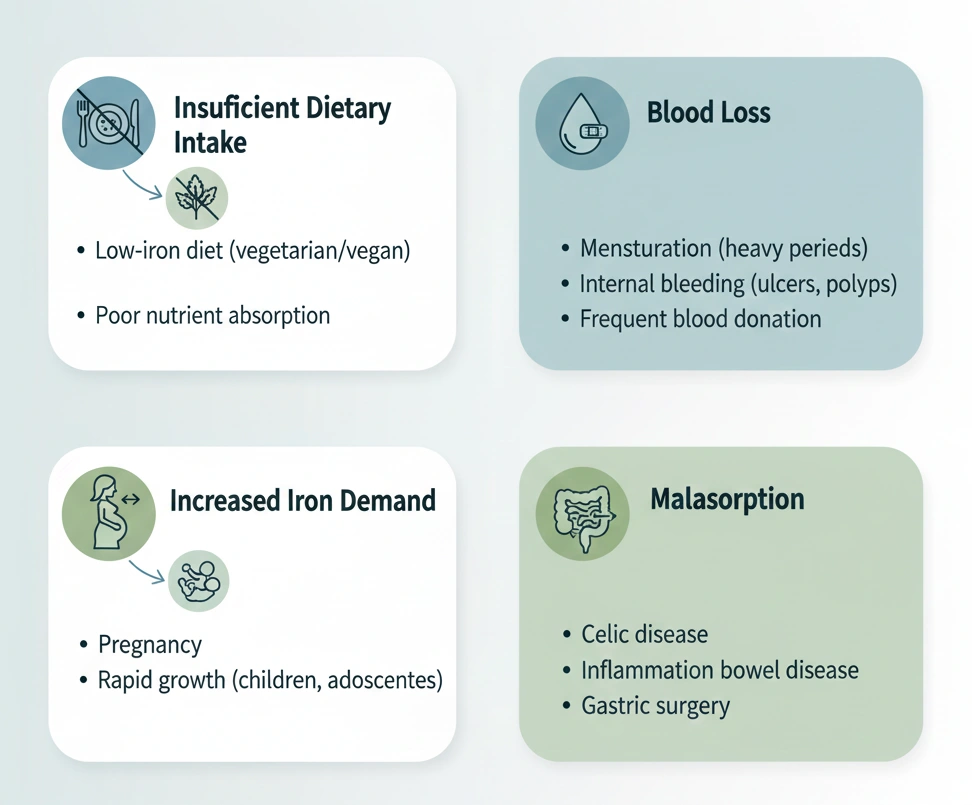
Iron deficiency occurs when the body does not have enough iron to produce adequate hemoglobin the protein in red blood cells responsible for carrying oxygen. Several everyday factors can trigger this nutritional gap.
Many people simply do not consume enough iron-rich foods. Others struggle with poor iron absorption due to dietary habits, medical conditions, or digestive issues. Women experience higher iron loss during menstruation, while athletes burn through iron faster due to intense physical activity.
Lifestyle choices such as frequent tea or coffee consumption after meals also reduce iron absorption, making it harder for the body to maintain healthy levels.
Understanding Heme and Non-Heme Iron
All iron-rich foods fall into two categories: heme iron and non-heme iron. Heme iron is found in animal-based foods such as poultry, meat, and seafood. It is easier for the body to absorb and is absorbed at a higher rate.
On the other hand, non-heme iron is found in plant-based foods including nuts, seeds, legumes, leafy greens, and natural peanut butter. While non-heme iron is beneficial, it requires certain dietary combinations to improve absorption. That’s why understanding the difference helps in planning a diet that supports better iron levels.
Does Peanut Butter Contain Iron? A Close Look at Its Nutritional Value
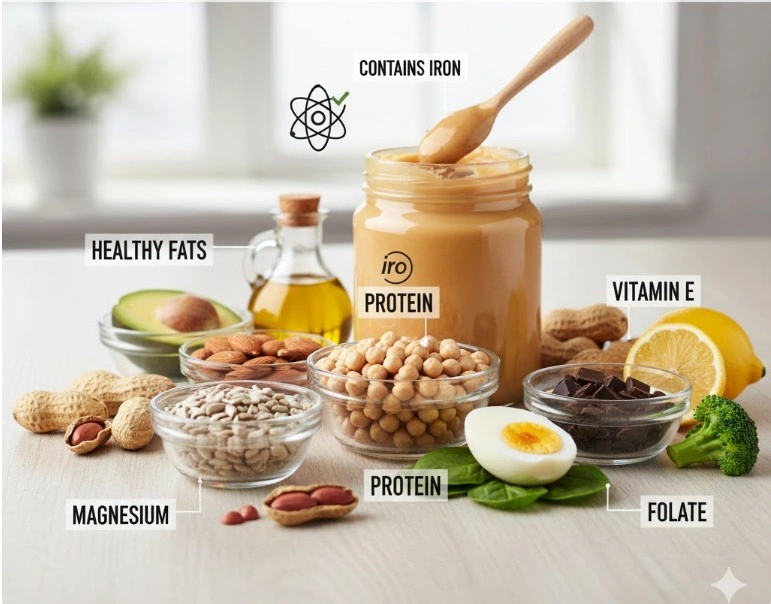
Peanut butter contains a modest but meaningful amount of iron about 0.6 mg per tablespoon. While it’s not among the highest iron sources, its true strength lies in the overall nutrient profile that supports energy, recovery, and meal balance.
In addition to iron, peanut butter offers:
-
Healthy fats
-
Vitamin E
-
Magnesium
-
Folate
-
Protein
Many people choose between different styles of nut spreads such as almond butter or cashew butter, but peanut butter remains one of the most accessible best nut butter options due to its affordability and wide availability.
Today consumers also explore clean-label varieties like organic peanut butter, low sugar peanut butter, low carb peanut butter, and special forms such as chocolate peanut butter or flavored peanut butter. These choices allow individuals to enjoy peanut butter based on taste goals and dietary requirements.
Regardless of the type you prefer, every spoonful offers a combination of nutrients that can help support overall health including iron balance.
Can Peanut Butter Improve Iron Deficiency? Expert Insights
Experts agree that peanut butter alone cannot “cure” Iron Deficiency, but it can play a valuable role in improving daily iron intake. Since peanut butter provides non-heme iron, it is a helpful addition especially for vegetarians and vegans who rely heavily on plant-based sources.
Peanut butter also contains peanut butter protein, which is essential for energy, recovery, and immune function. When included in meals that combine iron-boosting foods and Vitamin C-rich ingredients, peanut butter becomes a powerful nutritional partner.
Dietitians often highlight the simplicity of pairing pure peanut butter with fruits, oats, or whole grains making it easier for people to stay consistent with nutrient-rich choices throughout the day.
How Much Peanut Butter Should You Eat for Better Iron Levels?
A standard serving of peanut butter is 2 tablespoons, offering a small but steady amount of iron. Having one serving per day is generally considered safe and nutritious for most individuals.
Those who enjoy taste variations such as chocolate peanut butter or low sugar peanut butter can include them as well, as long as sugar intake is monitored. Choosing high-quality, minimally processed peanut butter ensures better nutrient retention and supports healthier daily eating habits.
Is Peanut Butter a Good Choice for Vegetarians & Vegans?
Peanut butter is a popular source of plant-based protein and micronutrients, making it especially valuable for vegetarians and vegans. Since these diets rely heavily on non-heme iron sources, adding healthy peanut butter becomes an easy way to support overall nutrient intake.
Compared to other spreads, peanut butter is both cost-effective and widely available. And when purchased from reliable brands offering natural peanut butter, the nutrient profile remains clean, wholesome, and free from unnecessary additives.
How to Maximize Iron Absorption from Peanut Butter
To get the most from the iron in peanut butter, combine it with foods rich in Vitamin C, which helps convert non-heme iron into a form easier for the body to absorb. Some tasty combinations include:
-
Peanut butter spread on whole-grain toast with strawberries
-
Smoothies blending peanut butter with oranges, kiwi, or other citrus fruits
-
Oatmeal topped with peanut butter and blueberries
Avoid drinking tea or coffee right after meals to prevent iron absorption interference.
Healthy and Easy Ways to Add Peanut Butter to Your Diet
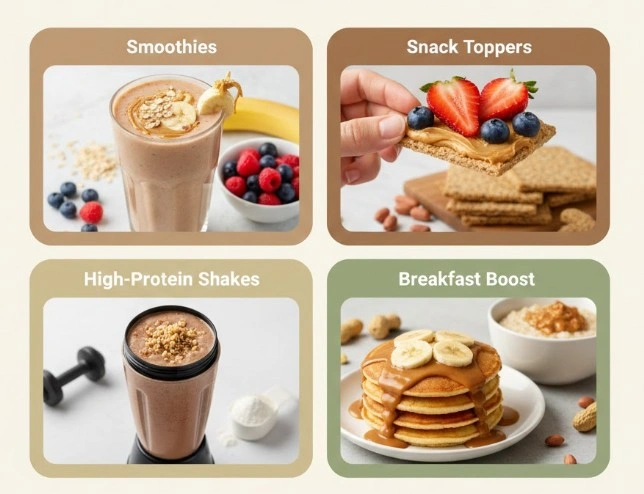
Peanut butter blends seamlessly into a wide range of meals and snacks. Whether you're preparing breakfast, a quick snack, or a pre-workout meal, it offers taste and nutrition in every spoon.
Enjoy these ideas:
-
Smoothies with oats, fruits, and peanut butter
-
Whole-grain crackers topped with fresh fruits
-
High-protein peanut butter shakes
-
Pancakes or porridge enhanced with nut butter
Brands like Nutrionex Foods offer clean and natural options that fit perfectly into everyday meals while supporting energy and nutrient needs.
Are There Side Effects of Eating Peanut Butter for Iron?
Peanut butter is safe for most individuals, but a few considerations are important. Those with nut allergies should avoid peanut products entirely. Because peanut butter is calorie-dense, portion control is important especially when managing weight.
Highly processed spreads contain added oils, sugars, or preservatives, so choosing organic peanut butter or simple, pure peanut butter varieties reduces these risks. Clean-label products also retain more nutrients, making them a better fit for daily consumption.
Best Peanut Butter Options for Supporting Iron Intake
To support Iron Deficiency through diet, choose peanut butter varieties that offer maximum nutrition with minimal additives.
Look for products that:
-
Contain peanuts as the main ingredient
-
Avoid hydrogenated oils
-
Limit added sugar
-
Maintain natural flavor and texture
Options such as flavored peanut butter, low sugar peanut butter, or healthy peanut butter can be enjoyed occasionally but should still be clean-label and responsibly formulated. Reliable brands such as Nutrionex Foods provide natural, high-quality spreads that fit well into balanced diets.
Peanut Butter vs Other Iron-Rich Foods (Comparison Table)
| Food Type | Iron Source | Absorption Rate | Additional Benefits |
|---|---|---|---|
| Leafy Greens | High | Moderate | Rich in vitamins & fiber |
| Legumes | Good | Moderate | High in protein & minerals |
| Seeds | Moderate | Moderate | Healthy fats & antioxidants |
| Fortified Grains | High | High | Convenient & accessible |
| Peanut Butter | Moderate | Lower (non-heme) | Provides protein, healthy fats, convenience |
Peanut butter may not top the iron list, but its versatility, nutrient density, and meal compatibility make it a great supportive food.
Why Choose Nutrionex Foods Peanut Butter?
Nutrionex Foods offers high-quality peanut butter made using clean ingredients without unnecessary additives. Their natural peanut butter range aligns well with individuals looking to support overall nutrition while enjoying rich flavor and balanced texture.
Whether you enjoy it in smoothies, on toast, or as part of a pre-workout meal, Nutrionex Foods peanut butter offers a wholesome, reliable choice for everyday use.
Conclusion
Peanut butter cannot cure Iron Deficiency on its own, but it plays a supportive role in improving daily iron intake when combined with other nutrient-rich foods. Its plant-based protein, healthy fat profile, and versatility make it a valuable addition to meals.
The key lies in choosing clean, minimally processed varieties like natural peanut butter and pairing them with iron-friendly foods to enhance absorption. With consistent dietary choices, peanut butter can work as a simple and enjoyable step toward better nutritional health.
FAQs
1. Can peanut butter really help with iron deficiency?
It helps improve daily iron intake but should not replace medical treatment or a balanced diet.
2. Which type of peanut butter is best for boosting iron?
Natural, pure, and organic variations offer cleaner nutrition and better support.
3. Does chocolate peanut butter offer similar benefits?
Yes, but it may contain added sugars, so portion control is important.
4. How much peanut butter should I eat daily for iron support?
1–2 tablespoons per day is enough to contribute beneficial nutrients.
5. Is natural peanut butter better for people with low iron?
Yes, because it contains fewer additives and retains more of the natural nutrients.