Jaggery Vs Regular Peanut Butter: Which Is Healthier?
Peanut butter has evolved from being an occasional breakfast spread to becoming a daily nutrition essential for fitness lovers, health-conscious families, and people seeking convenient protein-rich foods. As consumers demand cleaner, more natural products, two variants have become extremely popular: jaggery peanut butter and regular peanut butter.
While both are forms of nut butter, their nutritional value, ingredients, processing, and health impact differ significantly. Many buyers today also look for natural peanut butter, organic peanut butter, or low-sugar options to align with their wellness goals. So choosing the right type of peanut butter matters more than ever.
In this detailed guide, we compare jaggery peanut butter with regular peanut butter to help you understand which option can be healthier for your lifestyle.
What Is Regular Peanut Butter?
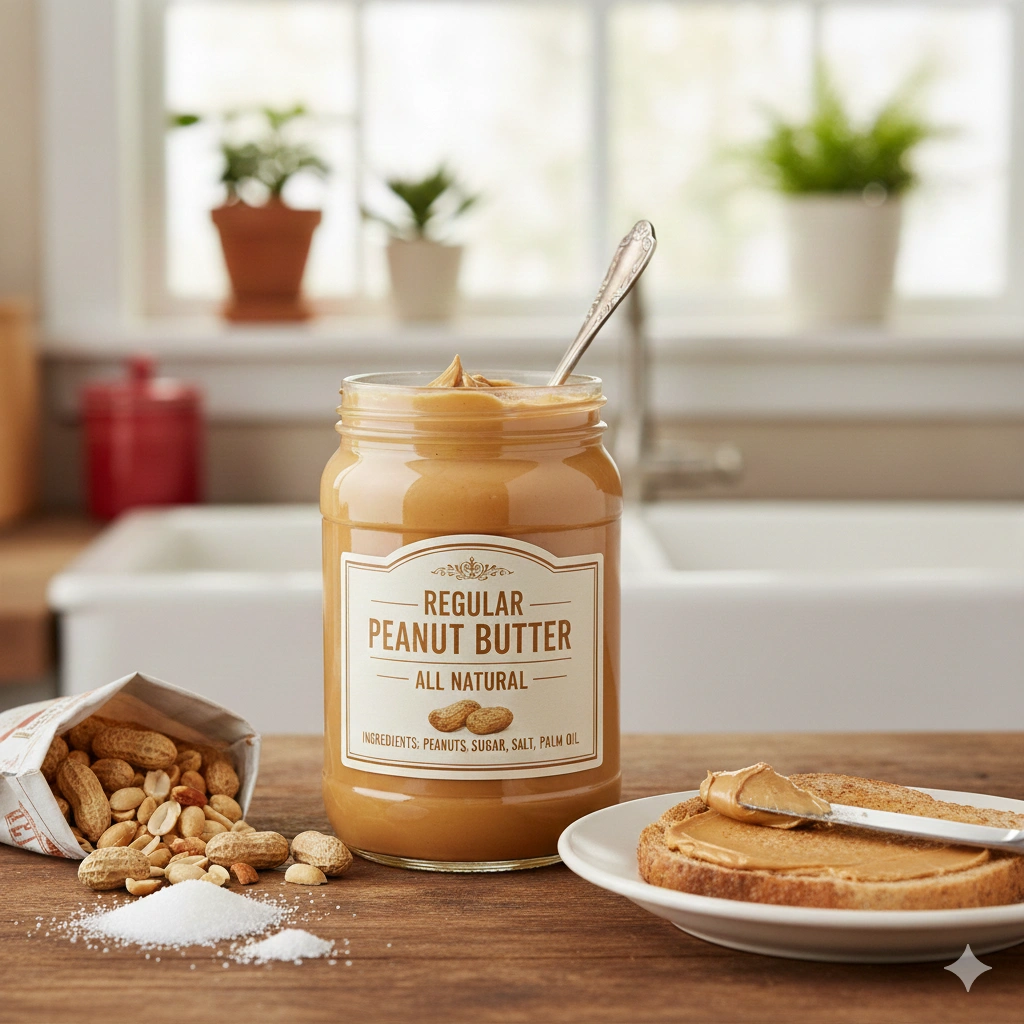
Regular peanut butter is typically made by roasting peanuts and blending them with added sugars, vegetable oils (sometimes hydrogenated), salt, and stabilizers. These additives enhance texture, shelf life, and spreadability but increase processing. Commercial peanut butter often contains refined sugar, which boosts sweetness but can impact health negatively if consumed in excess.
Key features of regular peanut butter include:
-
Creamy and widely available in stores
-
May include hydrogenated oils and refined sugar
-
Shelf-stable with a smooth texture
-
Affordable and common in many households
While regular peanut butter provides essential protein and healthy fats, its health value depends largely on the presence or absence of artificial additives and sugars.
What Is Jaggery Peanut Butter?
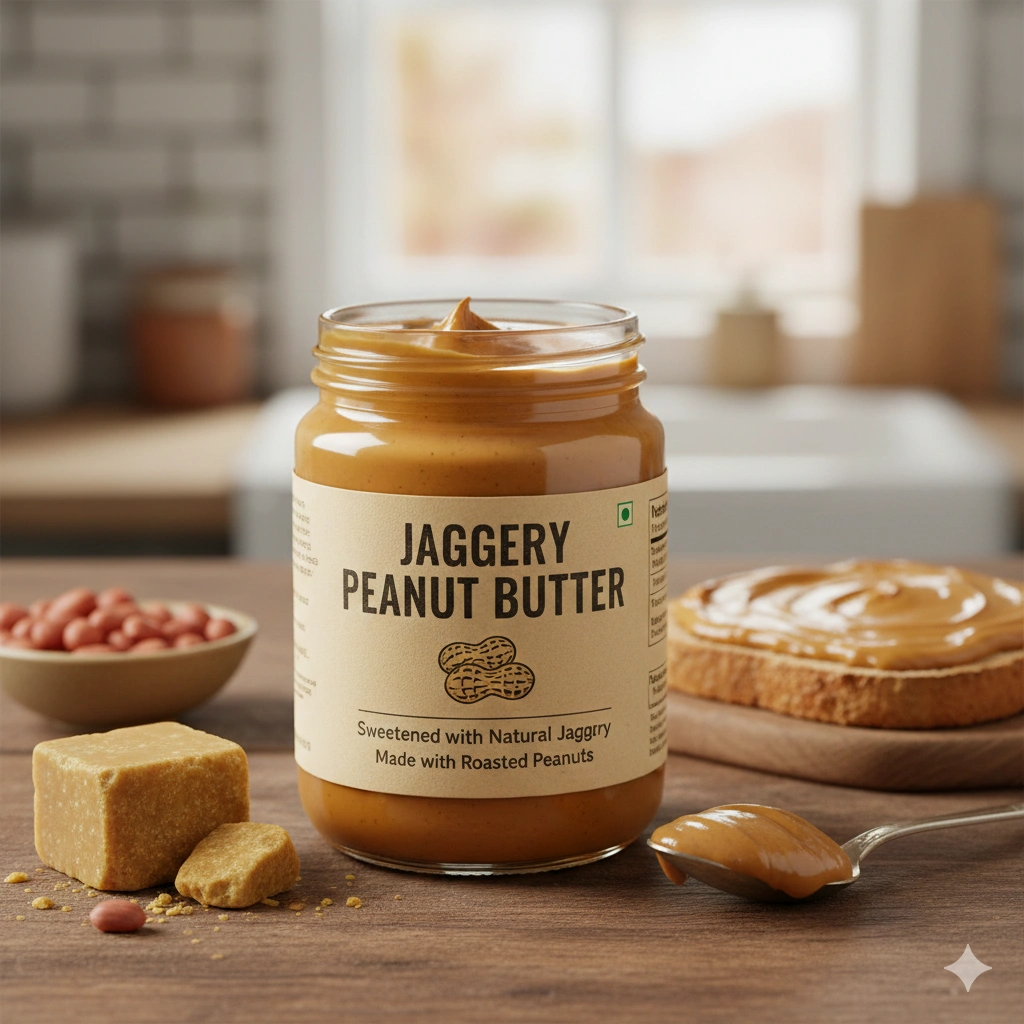
Jaggery peanut butter replaces refined sugar with natural jaggery, making it a healthier, minimally processed alternative. Many manufacturers including clean-label brands like Nutrionex Foods use organic peanuts and avoid preservatives or artificial ingredients to maintain purity.
Jaggery is made from concentrated sugarcane juice using traditional methods that retain minerals, antioxidants, and natural sweetness. This makes the nut butter more wholesome and suited for people trying to cut refined sugar while still enjoying a touch of sweetness.
What makes jaggery peanut butter different?
-
Sweetened naturally with jaggery instead of white sugar
-
Often made with organic or high-quality peanuts
-
Contains beneficial minerals absent in refined sugar
-
Offers a richer, caramel-like taste
-
Favored by consumers aiming for the healthiest peanut butter options
For those who want sweetened spreads but in a healthier way, jaggery peanut butter provides the perfect middle ground between no sugar peanut butter and heavily sweetened options.
Nutritional Breakdown: Jaggery Peanut Butter vs Regular Peanut Butter

To understand which peanut butter option supports better health, weight management, and daily nutrition, it helps to compare them side-by-side. Both spreads come from roasted peanuts, but the type of sweetener used jaggery versus refined sugar changes their nutritional and wellness impact.
Jaggery peanut butter is generally considered more natural and clean-label because it uses minimally processed jaggery as a sweetener. Regular peanut butter, on the other hand, often contains refined sugar, stabilizers, and hydrogenated oils depending on the brand.
Below is a clear comparison to help you choose the right nut butter:
Nutritional Comparison Table
| Nutritional / Ingredient Factor | Jaggery Peanut Butter | Regular Peanut Butter |
|---|---|---|
| Primary Sweetener | Natural jaggery (unrefined) | Refined white sugar |
| Processing Level | Minimal processing, clean-label | Often processed with stabilizers |
| Sugar Impact | Slow-release natural sugars | Quick glucose spike |
| Healthy Fats | High (from peanuts) | High (from peanuts) |
| Protein Content | High & natural | High, but may vary with additives |
| Minerals | Iron, potassium, magnesium present | Very low or none |
| Additives / Oils | Usually additive-free | May contain hydrogenated oils |
| Taste Profile | Rich, earthy, caramel-like | Sweeter, stronger sugary taste |
| Best For | Clean eating, kids, fitness, sugar-conscious users | Budget users, general consumption |
Caloric Content
When comparing the two options, caloric intake is a critical factor. Regular peanut butter is calorie-dense due to its fat content, which is mostly healthy fat. On the other hand, jaggery peanut butter may have slightly more calories due to the addition of jaggery. However, jaggery peanut butter can offer more nutritional value due to the presence of iron, magnesium, and potassium from jaggery.
Sugar Content
Regular peanut butter often contains added sugars and sweeteners. This may raise concerns for those on low-sugar diets. However, no sugar peanut butter options are available for those wanting to avoid refined sugars altogether. Jaggery peanut butter, being naturally sweetened with jaggery, contains sugar but in a more natural form. If you're looking to avoid processed sugars, jaggery peanut butter may be a better option.
Fat Content
Both spreads contain healthy fats, with regular peanut butter being rich in monounsaturated fats. While jaggery peanut butter offers similar fat content, the additional nutrients from jaggery make it a slightly more beneficial choice, especially for those seeking natural sugar alternatives.
Vitamins and Minerals
Jaggery Peanut Butter: Contains more minerals such as iron, calcium, and magnesium from jaggery, making it a nutrient-dense option.
Regular Peanut Butter: Rich in vitamins E and B6, as well as niacin and folate, which are essential for a healthy immune system and energy production.
Health Benefits of Jaggery Peanut Butter
1. Natural and Unrefined Sweetness
Jaggery enhances taste while keeping the product free from refined sugar, making it more appealing for health-conscious families.
2. Energy-Boosting Properties
Jaggery offers slow-release carbohydrate energy, ideal for workouts, school tiffins, and busy routines.
3. Rich in Micronutrients
The presence of minerals makes it nutritionally superior to sugar-added spreads.
4. Cleaner Ingredient Profile
Most jaggery-based nut butters contain fewer additives, aligning with whole-food eating patterns.
5. Ideal for People Avoiding Artificial Sugars
Those transitioning from sugary spreads often find jaggery peanut butter the perfect compromise.
Health Benefits of Regular Peanut Butter
1. Budget-Friendly and Accessible
Economical and found in every store, making it a popular everyday choice.
2. High in Protein
A great source of plant-based protein for vegetarians, vegans, and fitness enthusiasts.
3. Instant Energy Source
The combination of protein and fats provides sustained energy throughout the day.
4. Natural Options Now Available
Some brands now offer organic peanut butter and natural versions of regular peanut butter without refined sugar or added oils making them healthier alternatives.
Which Peanut Butter Is Healthier?
If prioritizing natural ingredients, nutrient density, and avoiding refined sugar, jaggery peanut butter stands out as the healthier choice. However, a high-quality natural peanut butter without added sugar or oils can be just as beneficial, especially for those avoiding sweeteners entirely.
Choosing between jaggery peanut butter and regular peanut butter depends on:
-
Sugar sensitivity or tolerance
-
Fitness and diet goals
-
Preferred taste and texture
-
Ingredient transparency and brand trustworthiness
Why Health-Conscious Consumers Prefer Nutrionex Foods
In the peanut butter segment, quality varies widely. This is why clean-label brands like Nutrionex Foods stand out. The company focuses on simple, pure ingredients especially in products like natural, jaggery-based, and low-sugar spreads.
Why consumers prefer such brands:
-
Transparent ingredient sourcing
-
Use of high-quality or organic peanuts
-
No unnecessary additives
-
Focus on healthier sweetening options
-
Balanced taste and energy
For people looking for the best peanut butter tailored to their health goals, brands like Nutrionex Foods enable cleaner and more confident choices.
Choose Healthier Peanut Butter
Conclusion
Both jaggery peanut butter and regular peanut butter offer their own benefits, but they serve different types of consumers. If you want a natural sweetness with added minerals, jaggery peanut butter is the healthier and more flavorful choice. It avoids refined sugar while offering a wholesome taste profile.
Those who prefer sugar-free, protein-focused spreads may choose natural peanut butter or peanut butter without sugar instead. Regular peanut butter is nutritious too, but it’s essential to select brands that avoid hydrogenated oils and excess sugar.
Ultimately, the healthiest peanut butter is the one that aligns with your dietary needs, ingredient expectations, and lifestyle goals. Reading labels and choosing trusted brands ensures you always make the right choice.
FAQs
1. Is jaggery peanut butter good for weight loss?
Yes, when eaten in moderation, it provides protein, healthy fats, and natural sweetness that help manage appetite.
2. Is regular peanut butter healthy for daily use?
Yes, as long as you choose versions without hydrogenated oils or refined sugar. Natural variants are the healthiest.
3. Which is the best peanut butter for people avoiding sugar?
No sugar peanut butter, low sugar peanut butter, or 100% natural peanut butter made from peanuts and salt.
4. Is jaggery healthier than sugar in peanut butter?
Yes, jaggery is less refined, contains minerals, and releases energy more slowly than white sugar.
5. Which peanut butter is better for gym-goers?
Gym-goers often prefer natural peanut butter, organic peanut butter, or low-sugar variants as they support muscle repair and provide clean energy.