What Ingredients Should Good Peanut Butter Have?
Peanut butter looks simple, but the ingredient list can tell a very different story. Some jars contain just peanuts, while others include oils, sugars, and additives that change both nutrition and taste. If you’ve ever wondered what ingredients should good peanut butter have, the answer depends on quality, purpose, and how natural you want it to be.
This guide breaks down what goes into a good jar, what to avoid, and how to choose the right option whether you’re a consumer, retailer, or sourcing for bulk supply.
Why Peanut Butter Ingredients Matter More Than You Think
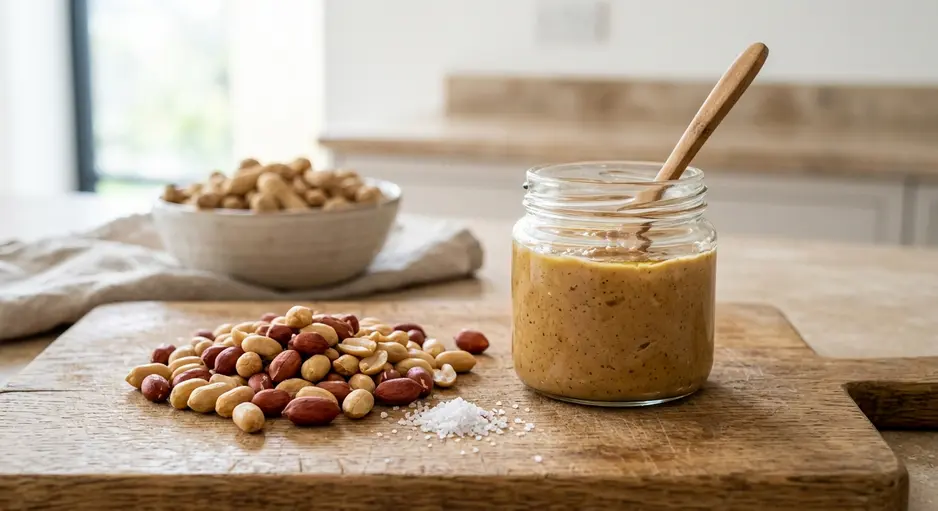
The global shift toward clean label peanut butter ingredients is growing fast. Consumers in the USA, UK, and India are paying closer attention to what’s inside their food. Simple ingredient lists are no longer a niche preference they’re becoming the standard.
Ingredient quality affects three main things:
- Nutrition: Fewer additives usually mean better fat quality and protein retention
- Taste: High-quality peanuts create richer flavor
- Shelf life: Additives can extend life but may reduce natural quality
This is why the debate around natural vs processed peanut butter ingredients continues to shape buying decisions worldwide.
What Are the Essential Ingredients in Good Peanut Butter?
Roasted Peanuts: The Core Ingredient
The foundation of any peanut butter is roasted peanuts. A high-quality roasted peanuts ingredient profile delivers protein, healthy fats, and micronutrients like magnesium and vitamin E.
Most good products contain:
- Dry roasted peanuts (no chemical processing)
- High protein content (around 25–30%)
- Natural oils retained during grinding
The protein content peanut butter ingredients provide is one reason it’s widely used in fitness diets and everyday meals. Sourcing also matters premium manufacturers follow strict quality checks for consistency and safety.
Salt (Optional but Common)
Salt enhances flavor but is not essential. Many brands offer:
- Lightly salted versions
- No-salt-added options for low-sodium diets
The presence of salt doesn’t reduce quality, but excessive sodium can be a concern for some consumers.
Natural Oils from Peanuts
Peanuts naturally release oil during grinding. In pure products, this oil may separate over time.
That separation is normal. It actually signals minimal processing.
Some brands add oils to prevent separation, which leads us to what you should avoid.
Ingredients to Avoid in Peanut Butter
Hydrogenated Oils in Peanut Butter
Hydrogenated oils in peanut butter are used to improve texture and shelf life. However, they can introduce trans fats, which are linked to health risks.
These oils act as shelf life stabilizers peanut butter manufacturers use in processed varieties. For a healthier choice, avoid them whenever possible.
Added Sugars and Sweeteners
Many commercial products include sugar or syrups. A sugar free peanut butter ingredient list typically contains only peanuts and maybe salt.
Watch for hidden sugars like:
- Corn syrup solids
- Molasses
- Dextrose
The no added sugar peanut butter definition means exactly that no extra sweeteners beyond natural peanut flavor.
Artificial Preservatives and Emulsifiers
The peanut butter preservatives and stabilizers list may include emulsifiers like lecithin. These help maintain consistency but aren’t always necessary.
Peanut butter emulsifiers lecithin is generally considered safe, but clean label products avoid it altogether.
Palm Oil: Pros and Cons
Palm oil in peanut butter pros cons is a widely debated topic.
- Pros: Prevents oil separation, improves texture
- Cons: Adds saturated fat and raises environmental concerns
Whether to choose it depends on your priorities texture or purity.
What Should Be in Organic and Natural Peanut Butter?
Organic Peanut Sourcing Standards
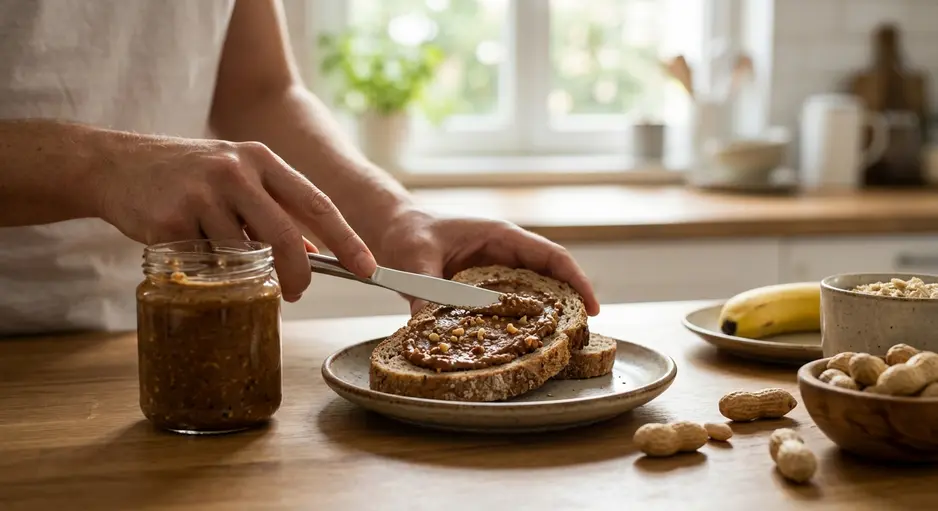
Organic peanut sourcing standards follow strict guidelines. In the USA, USDA certification ensures no synthetic chemicals are used. The EU has similar rules for EU standards peanut butter ingredients.
Organic products usually contain:
- Certified organic peanuts
- No synthetic pesticides
- No artificial additives
Peanut Butter Without Additives Ingredients
A true peanut butter without additives ingredients list is short:
- Peanuts
- Salt (optional)
This aligns with clean label expectations and consumer demand for transparency.
Natural vs Processed Peanut Butter Ingredients
The difference comes down to simplicity.
- Natural: Minimal ingredients, oil separation, shorter shelf life
- Processed: Stabilizers, consistent texture, longer shelf life
Each serves different markets, especially in global peanut butter market ingredients trends USA UK India.
Creamy vs Crunchy Peanut Butter Ingredients
Peanut Butter Texture Formulation
The difference between creamy vs crunchy peanut butter ingredients is mainly in processing.
- Creamy: Finely ground peanuts for smooth texture
- Crunchy: Includes peanut pieces for added texture
The peanut butter texture formulation creamy crunchy depends on grinding techniques and particle size.
Which Is Healthier?
Both types have similar nutrition. The choice comes down to preference and usage:
- Smooth for spreads and smoothies
- Crunchy for baking and texture
Peanut Butter for Fitness and Health Goals
Best Peanut Butter Ingredients for Fitness
The best peanut butter ingredients for fitness focus on clean nutrition:
- High protein content
- No added sugar
- No hydrogenated oils
These support muscle recovery and sustained energy.
How to Read Labels for Healthy Peanut Butter Ingredients
Look for a clean label peanut butter ingredients list with minimal components.
- Green flags: Peanuts as the first ingredient, no additives
- Red flags: Long ingredient lists, added sugars, artificial stabilizers
Industry Standards and Ingredient Regulations
FDA Peanut Butter Ingredient Regulations
FDA peanut butter ingredient regulations require at least 90% peanuts in products labeled as peanut butter. The remaining portion may include salt, oils, or sweeteners.
Export Quality Peanut Butter Ingredients Specs
For global trade, export quality peanut butter ingredients specs include strict safety measures such as:
- Aflatoxin limits peanut butter export compliance
- Consistent ingredient composition
- Adherence to EU standards
Peanut Butter Manufacturer Ingredient Standards
Peanut butter manufacturer ingredient standards vary based on market needs. For bulk and private label production, consistency and safety are key.
This includes:
- Wholesale peanut butter ingredient composition consistency
- Private label peanut butter ingredients requirements customization
Choosing the Right Peanut Butter Supplier or Brand
Peanut Butter Ingredients Suppliers USA India
Reliable peanut butter ingredients suppliers USA India focus on quality sourcing, certifications, and traceability.
Look for:
- Food safety certifications
- Transparent ingredient sourcing
- Compliance with export standards
Commercial Peanut Butter Ingredients Bulk Supply
For businesses, commercial peanut butter ingredients bulk supply must ensure scalability without compromising quality.
Manufacturers like Nutrionex Foods emphasize:
- Consistent ingredient quality
- Strict processing standards
- Adaptability for private label requirements
Conclusion
Understanding what ingredients should good peanut butter have makes choosing the right product much easier. Whether you’re buying for personal use or sourcing in bulk, the same rule applies: simplicity wins.
- Choose peanuts as the primary ingredient
- Avoid hydrogenated oils and excess sugar
- Look for clean, transparent labeling
- Match ingredients to your health or business goals
Balance taste, nutrition, and shelf life based on your needs but always prioritize ingredient quality and sourcing. That’s what truly defines a good peanut butter.
FAQ Section
1. What ingredients are in natural peanut butter?
Natural peanut butter usually contains just peanuts and sometimes salt. It avoids additives, stabilizers, and added sugars.
2. Is peanut butter healthy if it has oil and sugar?
It can still be consumed, but added sugars and oils reduce overall nutritional quality compared to natural options.
3. What is the healthiest peanut butter to buy?
The healthiest choice contains only peanuts, with no hydrogenated oils or added sugars.
4. What does “no added sugar” peanut butter really mean?
It means no external sweeteners are included. The flavor comes entirely from peanuts.
5. What are the best peanut butter ingredients for weight loss?
Look for high-protein, no-added-sugar options with minimal ingredients.
6. What should be the first ingredient in peanut butter?
Peanuts should always be the first ingredient. This indicates a higher-quality product.
7. Is organic peanut butter always better?
Not always, but it ensures cleaner sourcing and fewer chemicals.