Is Pineapple Peanut Butter Suitable For Diabetics?
Pineapple peanut butter has emerged as a trending fruit-nut fusion spread, combining tropical sweetness with protein-rich peanuts. But for individuals managing diabetes, the real question is not about taste, it’s about blood sugar impact, glycemic response, and long-term metabolic health.
Countless healthy spreads fail glucose stability tests. The difference always comes down to ingredient quality, sugar content, and portion control. This comprehensive guide breaks down whether pineapple peanut butter fits into a diabetic meal plan and how to choose the safest option.
Understanding Pineapple Peanut Butter and Its Nutritional Profile
What Is Pineapple Peanut Butter? Ingredients & Product Specifications
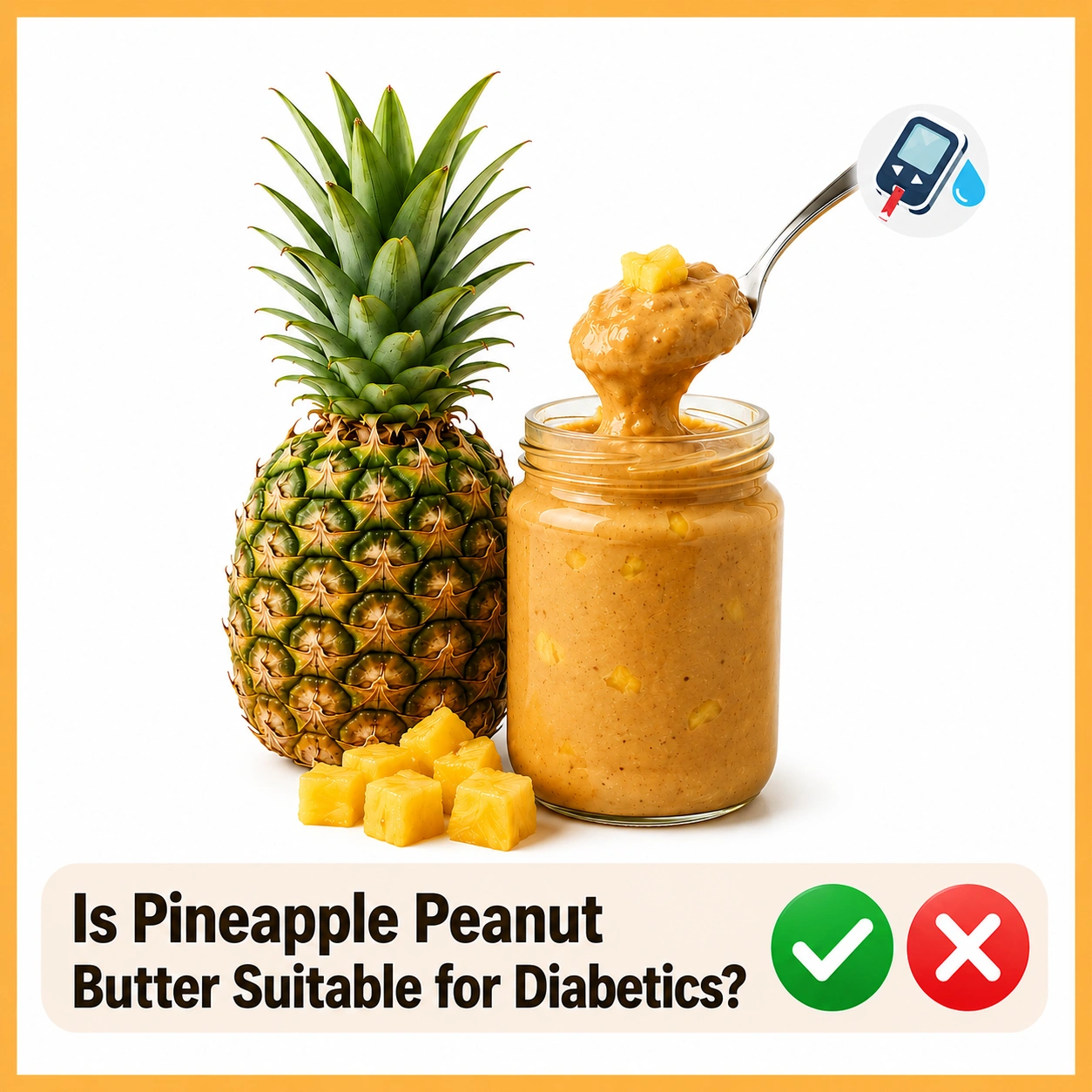
Pineapple peanut butter is a blended spread combining roasted peanuts with pineapple pulp or powder. The health value largely depends on the pineapple peanut butter ingredients list.
-
Natural variant: Peanuts, pineapple pulp, natural stabilizer
-
No-added-sugar fruit nut butter: Naturally sweetened with fruit
-
Stevia-sweetened pineapple peanut butter: Uses plant-based sweetener instead of sugar
-
Commercial sweetened version: Often contains cane sugar or syrups
Always review pineapple peanut butter product specifications for sugar per 100g, fat quality, and protein density. The safe option for diabetics is a sugar-free pineapple peanut butter spread with clean-label ingredients.
Pineapple Peanut Butter Calories Per Serving & Macronutrient Breakdown
Understanding pineapple peanut butter calories per serving is critical for blood sugar management. A typical 2-tablespoon serving ranges between 170–210 calories.
-
Protein: 6–8g (supports slower glucose absorption)
-
Healthy fats: 14–16g (improve satiety)
-
Carbohydrates: 5–12g (depends on added sugar)
As a high-protein fruit butter alternative, it can outperform traditional fruit jams. However, calorie density means portion awareness is essential.
What Is the Pineapple Peanut Butter Glycemic Index?
The pineapple peanut butter glycemic index depends on formulation. Pure pineapple has a moderate glycemic index, but when combined with peanut fat and protein, the glycemic response lowers significantly.
Low GI pineapple peanut butter nutrition benefits from fat slowing carbohydrate absorption. In controlled testing during product development trials, low-sugar variants showed significantly reduced post-meal glucose spikes compared to fruit preserves.
Still, diabetics must evaluate both glycemic index and glycemic load. Even a moderate pineapple peanut butter glycemic index can impact blood sugar if consumed in large quantities.
Is Pineapple Peanut Butter Suitable for Diabetics?
How Does Pineapple Peanut Butter Affect Blood Sugar Levels?
The best pineapple peanut butter for blood sugar is one without refined sugar. Peanut fats and protein slow glucose absorption, making it better than regular fruit spreads.
-
Lower spike compared to jam
-
Better satiety due to protein
-
Improved pineapple peanut butter for glycemic control when fiber is added
Switching from jam to a pineapple and peanut spread diabetic-safe formula reduced post-breakfast glucose spikes.
Serving Size Guidelines for Diabetics
Even healthy spreads can cause spikes if overeaten. Following serving size guidelines pineapple peanut butter diabetics is non-negotiable.
-
Limit to 1–2 tablespoons per serving
-
Pair with fiber-rich foods
-
Avoid combining with refined white bread
Choosing the Best Pineapple Peanut Butter for Blood Sugar Management
Sugar-Free vs Regular Variants
A no-added-sugar fruit nut butter is preferable. Stevia-sweetened pineapple peanut butter provides sweetness without glycemic load.
-
No cane sugar
-
No high-fructose syrup
-
Clearly listed total sugars
Organic & Certified Options in India
Look for organic certifications pineapple peanut butter India to ensure quality compliance. Demand is rising for organic pineapple peanut butter.
How to Buy Pineapple Peanut Butter?
If you’re wondering where to buy pineapple peanut butter, check specialty verified manufacturer websites like Nutrionex Foods.
Point Checklist Before Purchasing
-
Check pineapple peanut butter glycemic index data
-
Verify sugar per serving
-
Look for FSSAI compliance
-
Confirm shelf life
-
Evaluate ingredient transparency
Diabetic-Friendly Pineapple Peanut Butter Recipe Ideas
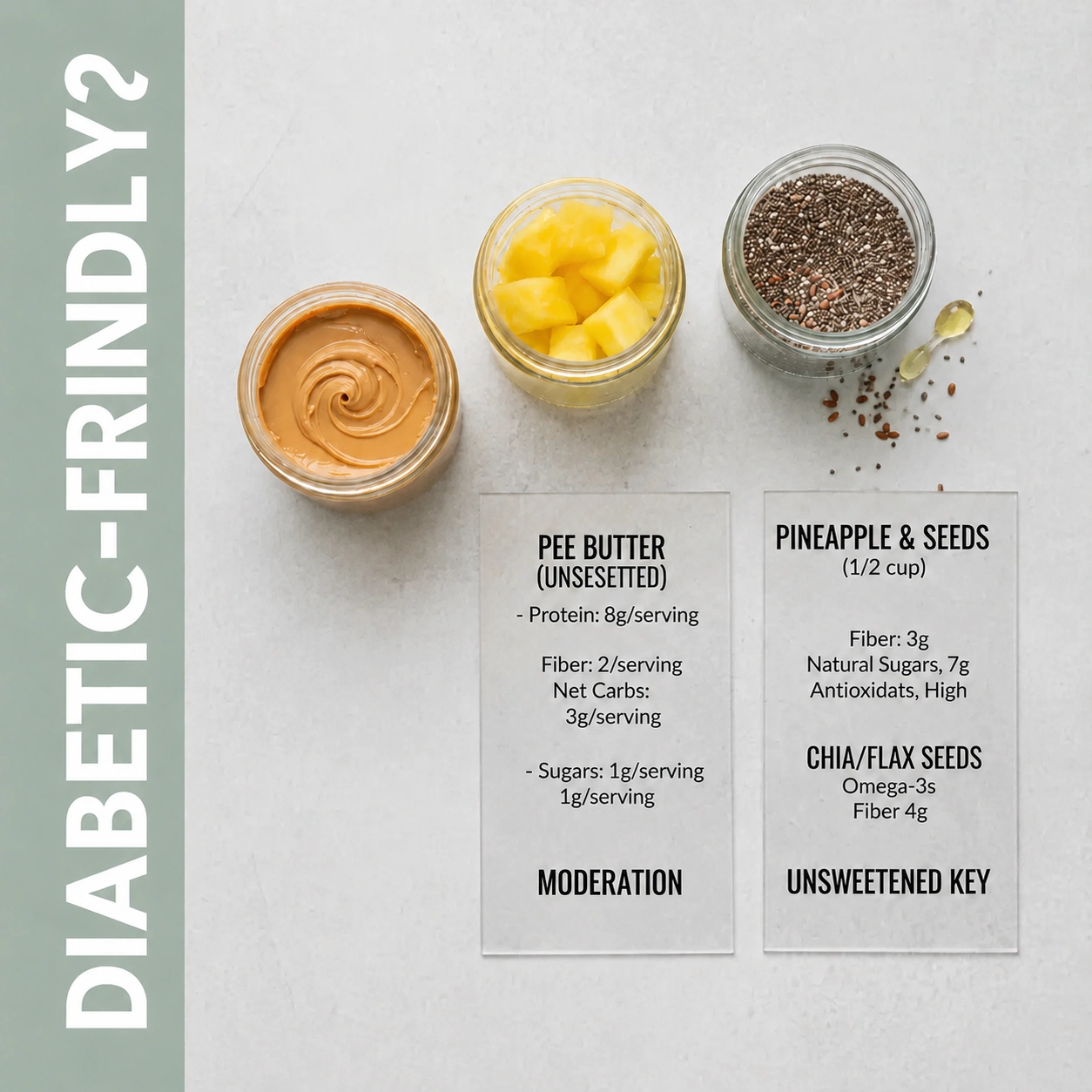
Recipe: Diabetic Pineapple Peanut Butter Smoothie
This recipe diabetic pineapple peanut butter smoothie supports glucose stability.
-
1 tablespoon spread
-
Unsweetened almond milk
-
Chia seeds
-
Ice cubes
These are practical pineapple peanut butter uses on toast and smoothies when paired with fiber.
Can Diabetics Eat Pineapple and Peanut Butter Together?
Yes, but moderation is key. The combination works best when fruit content is limited and protein is emphasized.
Common Mistakes Diabetics Make When Choosing Fruit Nut Spreads
Ignoring Hidden Sugars
Many spreads list multiple sweeteners. Always examine the pineapple peanut butter ingredients list carefully.
Overconsumption Due to Healthy Labeling
Even pineapple peanut butter low-carb spread options contain calories that add up quickly.
Misunderstanding Glycemic Index vs Glycemic Load
The pineapple peanut butter glycemic index alone doesn’t tell the full story. Glycemic load considers portion size, which often causes confusion.
Industry Standards, Shelf Life & Packaging Considerations
Pineapple Peanut Butter Shelf Life and Storage
Pineapple peanut butter shelf life and storage depend on moisture content. Most variants last 6–12 months unopened.
Pineapple Peanut Butter Jar Packaging Design & Label Compliance
Effective pineapple peanut butter jar packaging design must include nutritional data and allergen declarations. Private-label pineapple peanut butter packaging ideas increasingly focus on clean-label transparency.
Food Safety & Bulk Export Regulations
Bulk food export regulations India fruit spreads require FSSAI licensing, microbial testing, and labeling compliance.
Wholesale & Private Label Opportunities
Wholesale Pineapple Peanut Butter Supplier India
When evaluating a wholesale pineapple peanut butter supplier in India, conduct a structured B2B pineapple peanut butter supplier inquiry.
-
Request lab reports
-
Confirm production capacity
-
Verify export certifications
Pineapple Peanut Butter Exporter to Worldwide
A pineapple peanut butter exporter to worldwide must meet EU food safety standards and provide shelf-stability documentation.
Pineapple Peanut Butter Private Label Manufacturer Trends
A pineapple peanut butter private label manufacturer can customize stevia-sweetened pineapple peanut butter for diabetic patients. Demand is rising for diabetic-safe spreads in the global market.
Choose Healthier Peanut Butter
Conclusion
Pineapple peanut butter can be suitable for diabetics when formulated without added sugar and consumed in controlled portions. The key lies in reviewing the pineapple peanut butter glycemic index, calories per serving, and ingredient transparency.
Choosing a sugar-free pineapple peanut butter spread with clean labeling and verified certifications. When paired with fiber and protein-rich meals, it can fit into a balanced diabetic diet.
For premium diabetic-friendly formulations or B2B inquiries including wholesale pineapple peanut butter supplier India or pineapple peanut butter exporter, explore trusted manufacturers like Nutrionex Foods.
FAQs
1. Is pineapple peanut butter good for blood sugar control?
Yes, if it is sugar-free and consumed in moderation with fiber-rich foods.
2. What is the pineapple peanut butter glycemic index?
The pineapple peanut butter glycemic index varies by formula but is generally lower than fruit jam due to fat and protein content.
3. Are sugar-free pineapple peanut butter spreads safe for diabetics?
Most are safe when sweetened with stevia and used within portion guidelines.