Natural Creamy Vs Quinchy Peanut Butter: Buying Guide
Peanut butter has evolved from a simple spread into a high-demand product across retail shelves and global supply chains. Today, buyers often compare natural creamy peanut butter with quinchy peanut butter to match taste, texture, and business needs. Whether you are a retailer, distributor, or food service buyer, choosing the right type affects product appeal, shelf life, and customer satisfaction.
This guide breaks down the real differences, health value, sourcing factors, and bulk buying strategies so you can make an informed decision.
Understanding Natural Creamy vs Quinchy Peanut Butter
What is natural creamy peanut butter?
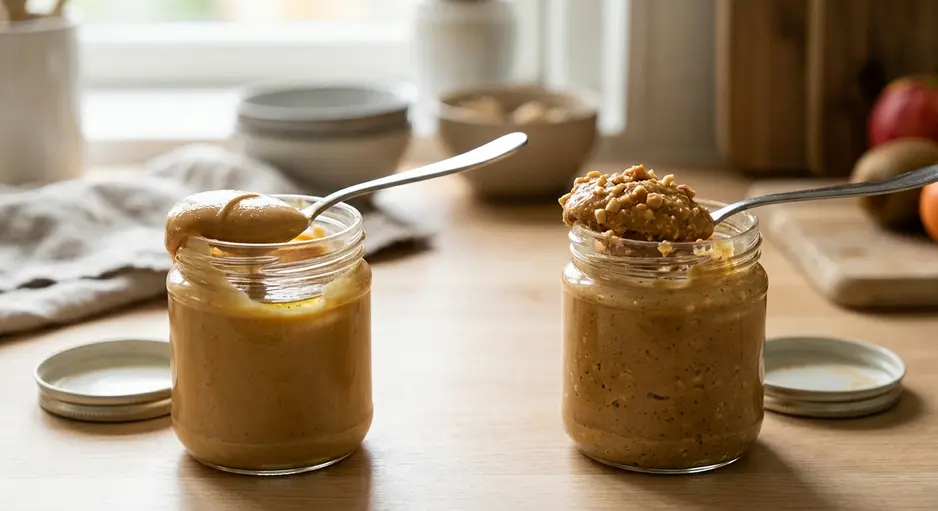
Natural creamy peanut butter is made from roasted peanuts with minimal processing. It typically contains no added sugar, preservatives, or hydrogenated oils. The result is a smooth texture with natural oil separation, which reflects current clean-label peanut butter trends.
-
Smooth and easy to spread
-
Often unsweetened and non-GMO
-
Preferred for health-conscious consumers
-
Common in smoothies and protein diets
What is quinchy peanut butter?
Quinchy peanut butter includes small peanut chunks blended into a creamy base. This gives it a thicker texture and a more robust bite, making it popular in food service and traditional retail markets.
-
Contains crushed peanut pieces
-
Offers texture and crunch
-
Ideal for bakery and snack applications
-
Appeals to consumers who enjoy variety in spreads
Difference between creamy and crunchy peanut butter
The difference between creamy and crunchy peanut butter goes beyond texture. It affects manufacturing, usage, and buyer preference.
-
Texture: Smooth vs chunky
-
Processing: Fine grind vs mixed grind with peanut bits
-
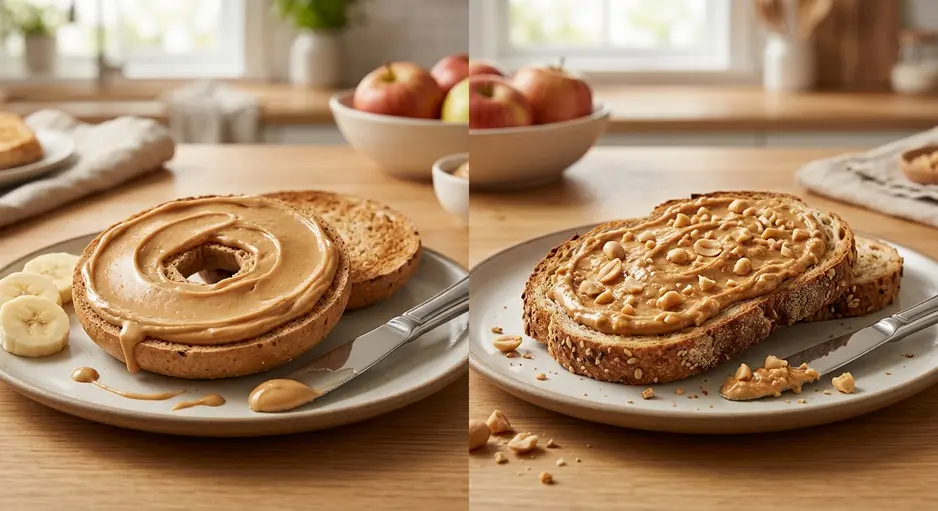
Usage: Creamy for spreads, crunchy for toppings and recipes
-
Consumer appeal: Creamy suits modern diets, crunchy fits traditional tastes
Organic vs regular peanut butter guide
Organic peanut butter uses certified peanuts grown without synthetic chemicals. Regular versions may include stabilizers or sweeteners. Buyers looking for non-GMO peanut butter suppliers often prefer organic options for export and premium retail.
-
Organic: clean label, higher perceived value
-
Regular: cost-effective, longer shelf stability
Nutritional Value and Health Benefits
Benefits of natural peanut butter
Natural peanut butter is rich in protein, healthy fats, and essential nutrients. It fits well into modern diets focused on plant-based protein and clean eating.
-
High protein content for muscle support
-
Healthy fats for heart health
-
No added sugar in unsweetened variants
-
Supports sustained energy levels
Is creamy or crunchy better for a protein diet?
Both types offer similar protein levels. However, creamy peanut butter allows better portion control and blends easily into shakes. Crunchy versions can increase satiety due to added texture.
Clean label peanut butter trends in the global market
The global market is seeing strong growth in clean-label products. Consumers now prefer fewer ingredients, non-GMO sourcing, and transparent labeling. This shift has increased demand for healthy natural peanut butter for retail and bulk supply chains.
Best peanut butter for smoothies, spreads, and fitness diets
-
Smoothies: Creamy peanut butter blends easily
-
Fitness diets: Unsweetened creamy is often preferred
-
Snacks: Crunchy adds texture and flavor contrast
Manufacturing Process and Quality Factors
Peanut butter manufacturing process
The process starts with selecting high-quality peanuts, followed by roasting, grinding, and packaging. Some manufacturers add stabilizers to prevent oil separation.
-
Cleaning and sorting
-
Roasting for flavour development
-
Grinding to desired texture
-
Packaging for retail or bulk supply
Creamy vs crunchy production differences
Creamy peanut butter is ground to a fine consistency. For crunchy peanut butter, manufacturers mix coarse peanut granules back into the smooth base.
Non-GMO peanut butter suppliers
Sourcing plays a major role in quality. Reliable suppliers ensure consistent taste, safety standards, and compliance with global regulations.
Shelf life of natural peanut butter
Natural peanut butter usually has a shorter shelf life due to the absence of preservatives. Oil separation is normal and can be managed by stirring and proper storage.
-
Average shelf life: 6–12 months
-
Store in a cool, dry place
-
Refrigeration extends freshness
Choosing the Right Peanut Butter for Your Needs

How to choose peanut butter texture based on usage
Your choice should depend on the end application and target market.
-
Smooth blends: Creamy
-
Textured recipes: Crunchy
-
Premium retail: Organic creamy or crunchy
Peanut butter for bakery applications vs retail spreads
Bakeries often prefer creamy peanut butter for consistent mixing. Retail consumers may choose based on taste preference.
Crunchy peanut butter for food service
Restaurants and cafes often use crunchy peanut butter for toppings, sandwiches, and desserts. It adds texture and visual appeal.
Healthy natural peanut butter for retail shelves
Retail buyers are shifting toward clean label options. Products with minimal ingredients and clear sourcing gain higher trust.
Buying Guide for Bulk and B2B Buyers
Buy natural peanut butter in bulk: what to look for
-
Consistent quality across batches
-
Certifications like FDA, HACCP
-
Flexible packaging sizes
-
Reliable logistics support
Natural peanut butter wholesale price comparison factors
Pricing depends on peanut quality, processing methods, certifications, and packaging type. Organic options usually cost more than conventional products.
Organic creamy peanut butter wholesale vs conventional options
Organic variants attract premium buyers, while conventional products suit price-sensitive markets.
Unsweetened creamy peanut butter bulk procurement tips
-
Check ingredient list carefully
-
Confirm no added sugars or oils
-
Evaluate shelf stability and packaging
Natural peanut butter bulk suppliers India suppliers
India offers cost-effective sourcing and growing export capacity.
Peanut butter suppliers in Global market
The global market is mature and driven by health trends. Demand for clean label and protein-rich spreads continues to rise.
Export, Private Label, and Global Supply Chain
Crunchy peanut butter exporters
Exporters must meet strict labeling, packaging, and safety standards. Bulk buyers should confirm compliance before sourcing.
Peanut butter import export companies and global trade flow
Global trade is driven by demand in North America, Europe, and emerging markets. Efficient sourcing and logistics play a key role.
Private-label peanut butter manufacturers
Private labelling allows businesses to create custom products with unique branding. Companies like Nutrionex Foods support tailored formulations and scalable production.
Peanut butter packaging for export
-
Food-grade containers
-
Leak-proof sealing
-
Label compliance for international markets
Market Trends and Demand Insights
Peanut butter demand in USA market
The demand continues to grow due to increased awareness of plant-based protein and healthy eating habits.
Healthy spreads market USA
Consumers are moving away from sugary spreads toward natural alternatives. Peanut butter remains a top choice.
Clean label and plant-based protein trends
Clean label products with simple ingredients are driving growth across retail and B2B segments.
Common Buyer Mistakes to Avoid
-
Choosing based only on price instead of quality
-
Ignoring shelf life and storage requirements
-
Overlooking certifications and compliance
-
Not understanding customer preference for texture
Explore Peanut Butter Options for Every Meal
Conclusion
Choosing between natural creamy and quinchy peanut butter depends on your target audience, application, and sourcing strategy. Creamy varieties dominate health-focused markets, while crunchy options remain strong in food service and traditional retail.
For B2B buyers, success lies in balancing quality, certifications, and supplier reliability. Whether you aim to buy natural peanut butter in bulk or develop a private label product, understanding these differences will help you make smarter, more profitable decisions.
Frequently Asked Questions
1. What is the difference between natural creamy peanut butter and quinchy peanut butter?
Creamy peanut butter is smooth, while quinchy peanut butter contains crunchy peanut pieces for added texture.
2. Which peanut butter is healthier: creamy or crunchy?
Both are similar nutritionally, but natural creamy peanut butter is often preferred for controlled diets.
3. How long does natural peanut butter last?
It typically lasts 6–12 months, depending on storage conditions and packaging.
4. Can I buy natural peanut butter in bulk for business use?
Yes, many B2B peanut butter distributors offer bulk purchasing options for retail and food service businesses.
5. Is organic peanut butter better than regular peanut butter?
Organic peanut butter offers cleaner ingredients and higher consumer trust, though it may cost more.
6. What certifications should I look for in peanut butter suppliers?
Look for FDA approval, HACCP certification, and non-GMO verification.