Peanut Butter Vs Coconut Butter: Which Is Better For Health?
Have you ever wondered which spread fits better with your diet especially if you're following low-carb, keto, or high-protein eating?
Many people struggle to decide between peanut butter and coconut butter, often torn between their health benefits and unique nutritional profiles. Whether you're looking for a high-protein snack, a fat-burning fuel, or simply a spread that satisfies your cravings without the sugar spike, you want to make the healthiest choice.
By the end of this blog, you’ll know which butter is better for your health goals and how to incorporate both into your diet for maximum benefit.
Peanut Butter vs Coconut Butter – What’s Inside Each Jar?
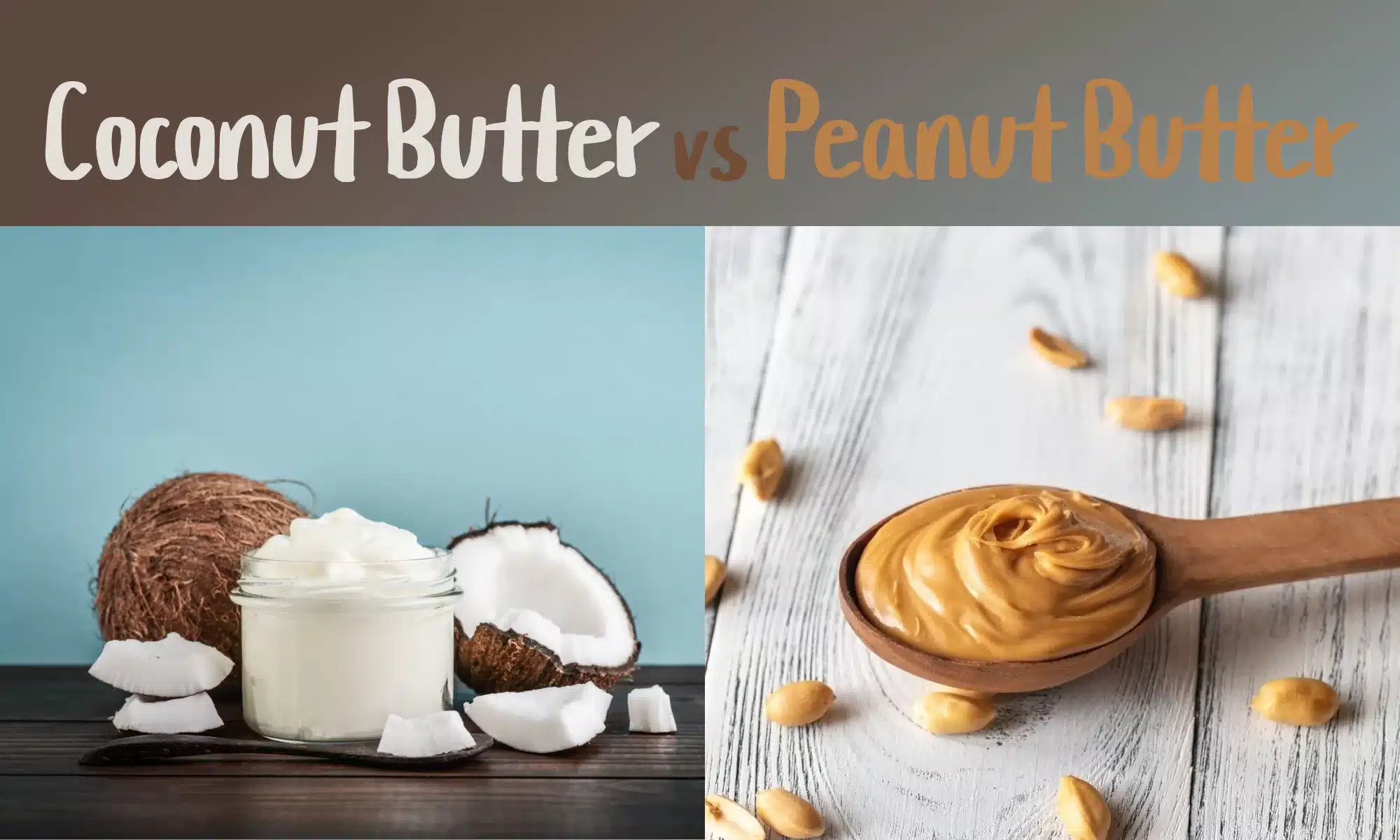
What Is Peanut Butter?
Peanut butter is made from crushed peanuts and often contains added salt, oil, and sometimes sugar. It’s a versatile spread that can be creamy or chunky, making it a popular choice for snacks and sandwiches.
Types of Peanut Butter:
1) Standard Peanut Butter
This is the classic version many households rely on. It usually contains roasted peanuts, a bit of oil, and sometimes sugar or stabilizers to maintain a smooth, spreadable texture. Ideal for sandwiches, smoothies, and quick snacks.
2) Flavoured Peanut Butter
For those who enjoy a twist on the original, flavoured peanut butter comes in exciting options like chocolate, cinnamon, vanilla, honey, or even coffee. It’s perfect for satisfying sweet cravings in a healthier way and works well in desserts or on toast.
3) “Natural” Peanut Butter
Natural peanut butter typically contains just peanuts and a small amount of salt no hydrogenated oils or artificial additives. It separates naturally (oil on top), requiring a quick stir, but offers a pure, clean peanut flavor.
4) Organic Peanut Butter
Made from organically grown peanuts without synthetic fertilizers or pesticides, organic peanut butter is a healthier, cleaner alternative. It appeals to those prioritizing natural farming and fewer chemical residues.
5) Jaggery Peanut Butter
A traditional twist, jaggery peanut butter uses jaggery instead of refined sugar. This gives the butter a rich, earthy sweetness and provides minerals found in jaggery making it a healthier, more wholesome option for sweet lovers.
What Is Coconut Butter?
Coconut butter is made from pureed coconut meat, unlike coconut oil, which is derived from the coconut’s fat. This gives coconut butter a rich, creamy texture that’s often used as a dairy-free spread.
-
Difference from Coconut Oil: Coconut butter contains both the oil and the fibrous coconut meat, whereas coconut oil is made up mostly of fat.
-
Nutritional Comparison: Coconut butter is higher in fats but lower in protein compared to peanut butter. It's also a coconut spread, which means it's a great dairy-free, gluten-free option for people with dietary restrictions.
Nutritional Face-Off: Peanut Butter vs Coconut Butter
Let’s break down the macronutrient content of peanut butter and coconut butter to help you decide which one packs more punch for your health goals.
-
Peanut Butter Protein: With 8g of protein per 2 tablespoons, peanut butter is a great choice for those needing a protein-packed snack.
-
Coconut Butter: While it’s low in protein, it’s rich in healthy fats, offering 22g of fat per 2 tablespoons, primarily from saturated fat, which helps promote fat-burning and provides quick energy.
| Nutrient | Peanut Butter (2 tbsp) | Coconut Butter (2 tbsp) |
|---|---|---|
| Calories | 180 | 210 |
| Total Fat | 16g | 22g |
| Saturated Fat | 3g | 19g |
| Protein | 8g | 1g |
| Carbohydrates | 6g | 6g |
| Fiber | 2g | 3g |
| Sugar | 1g | 1g |
Vitamins & Minerals – Nutritional Superstars
-
Peanut Butter: A good source of Vitamin E, magnesium, and potassium, supporting heart health and providing energy.
-
Coconut Butter: Rich in MCTs (Medium-Chain Triglycerides), which are known to promote fat burning and provide a quick energy boost. It's also a good source of iron, making it a helpful addition for those with a low iron intake.
Health Benefits of Peanut Butter
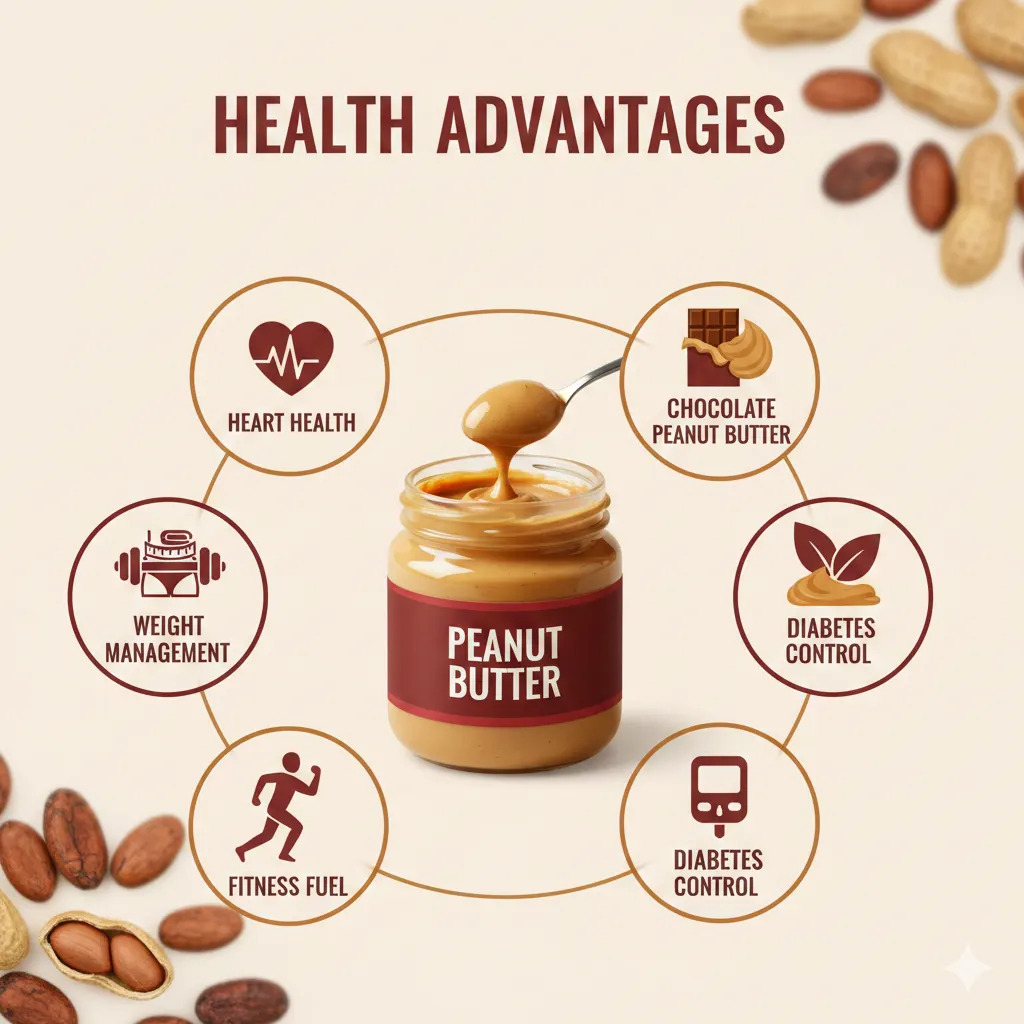
1. Heart Health
Peanut butter contains monounsaturated fats and antioxidants like Vitamin E, which help support heart health by reducing bad cholesterol levels.
2. Weight Management
With its high protein and fat content, healthy peanut butter keeps you full longer, reducing the need for constant snacking and helping with weight management.
3. Fitness Fuel
After a workout, peanut butter protein provides the necessary nutrients to rebuild muscles and replenish energy. A perfect post-workout snack!
4. Diabetes Control
For those managing blood sugar levels, low sugar peanut butter is an excellent choice as it helps stabilize blood sugar levels, reducing the risk of insulin spikes.
5. Chocolate Peanut Butter
Craving something sweet? Chocolate peanut butter can satisfy your chocolate cravings without the added sugars of regular chocolate spreads, making it a healthier option.
Health Benefits of Coconut Butter
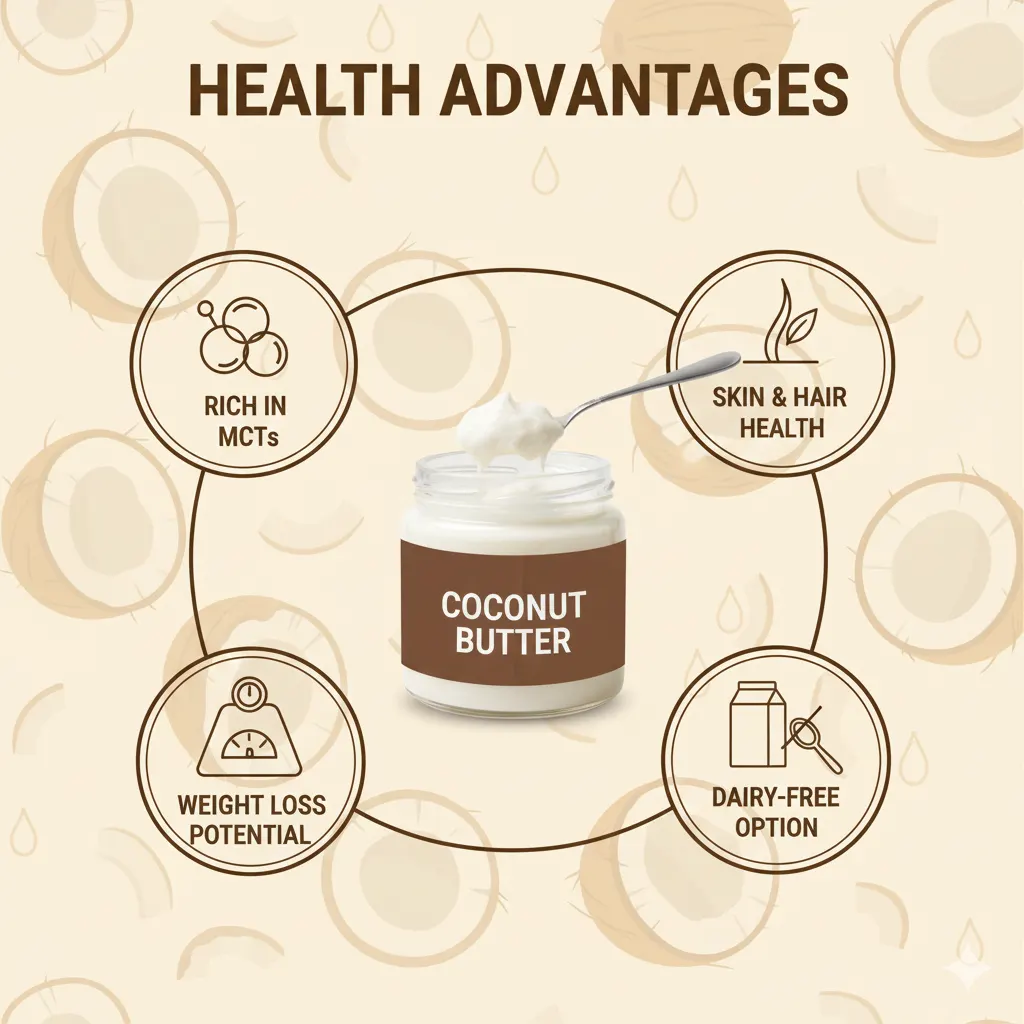
1. Rich in Medium-Chain Triglycerides (MCTs)
Coconut butter is packed with MCTs, a type of fat that boosts metabolism and helps burn fat, making it a great option for fat loss.
2. Supports Skin & Hair Health
Not just a spread for your toast, coconut butter is also used externally to hydrate and nourish skin and hair, thanks to its moisturizing properties.
3. Weight Loss Potential
Due to its MCT content, coconut butter helps support fat oxidation, potentially making it a better choice for those focusing on weight loss or metabolism.
4. Coconut Spread as a Dairy-Free Option
For those avoiding dairy, coconut butter is a great alternative. It’s gluten-free, dairy-free, and vegan, making it suitable for a variety of dietary restrictions.
Which Is Better for Health: Peanut Butter or Coconut Butter?
Peanut Butter for Protein and Fitness
If your goal is to build muscle or maintain energy throughout the day, peanut butter is the better choice, thanks to its high protein content.
Coconut Butter for Fat Loss and Metabolism
For those focusing on fat loss or enhancing their metabolism, coconut butter is a great option due to its MCTs, which support fat burning.
Best Options for Each Goal
-
For Fitness Enthusiasts: High-protein peanut butter or organic peanut butter.
-
For Weight Loss: Low sugar peanut butter or coconut butter.
-
For Low-Carb or Keto Diets: Low carb peanut butter or coconut butter.
How to Incorporate Peanut Butter and Coconut Butter into Your Diet
Peanut Butter Recipes
-
Quick Snack Ideas: Spread peanut butter on whole-grain toast, mix it into smoothies, or make energy bars.
-
Baking: Use flavored peanut butter (like chocolate peanut butter) in baked goods for a healthier twist.
Coconut Butter Recipes
-
Smoothies & Desserts: Add coconut butter to smoothies or use it as a base for dairy-free desserts.
-
Cooking: Use coconut butter as a dairy-free butter substitute in various recipes.
The Right Butter for Your Health Goals – Making the Best Choice
-
If You Want to Build Muscle: Choose peanut butter protein with high protein content.
-
If You Want to Lose Weight: Opt for low sugar peanut butter or coconut butter for its fat-burning properties.
-
For a Dairy-Free Lifestyle: Coconut spread is the ideal option, as it’s completely dairy-free.
-
For Organic and Healthy Options: Look for organic peanut butter and natural coconut butter without added sugars or preservatives.
Explore Nutritious Dessert Ideas
Conclusion: Which Is Better for Health?
While both peanut butter and coconut butter have their unique health benefits, the best choice depends on your health goals. Peanut butter is an excellent choice for muscle building and managing hunger, while coconut butter is ideal for fat burning and those following a dairy-free diet.
Explore both butters, find the one that fits your health goals, and try high-quality options from Nutrionex Foods for the best experience.
FAQ Section
1. Which is healthier: peanut butter or coconut butter?
Both are healthy in their own right, but if you're looking for a protein-packed snack, peanut butter is the way to go. For fat-burning benefits and a dairy-free option, coconut butter is a great choice.
2. Is peanut butter good for everyday consumption?
Yes, peanut butter can be eaten daily in moderation. Its healthy fats and protein make it a nutritious option, but portion control is key due to its calorie density.
3. Is peanut butter better for weight loss than coconut butter?
Peanut butter can help with weight loss due to its high protein content, which helps you stay full. However, coconut butter's MCTs may also help boost metabolism for fat loss.
4. Which peanut butter is best for diabetics?
Low sugar peanut butter or no sugar peanut butter is best because it minimizes sugar spikes.
5. Which is the best peanut butter for a low-carb diet?
Low carb peanut butter is the best option if you’re following a keto or low-carb diet, as it has minimal sugar and carbs.
6. Can I mix peanut butter and coconut butter together?
Yes! Mixing both can give you the best of both worlds: the creamy texture of coconut butter and the protein boost of peanut butter.